

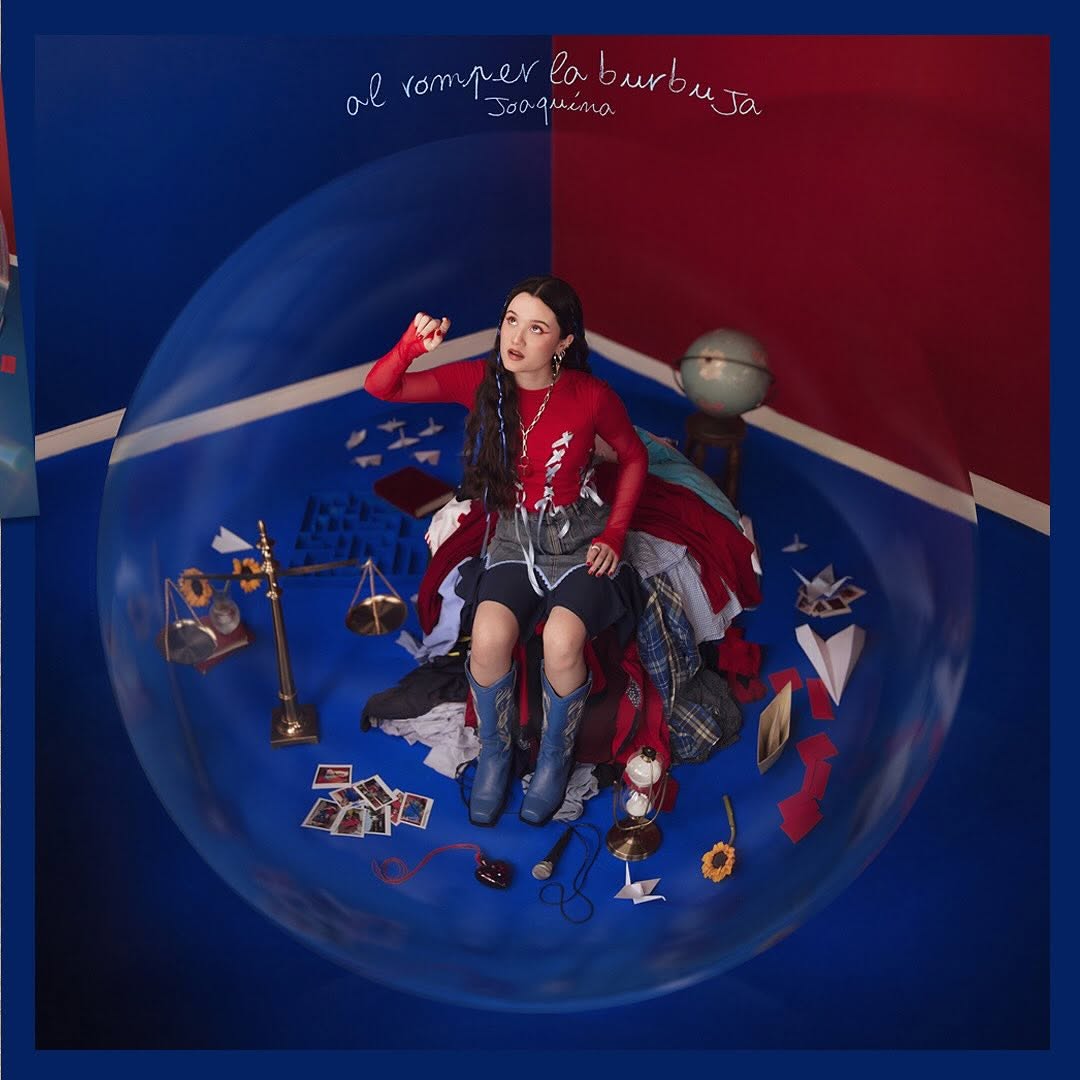
Design and planning of unique, high-impact campaigns that transform the vision of artists and brands into memorable experiences. From conceptual strategy to visual execution, as with the launch of Joaquina’s new album for Universal Music, we build creative narratives designed to connect deeply with audiences and maximize reach.
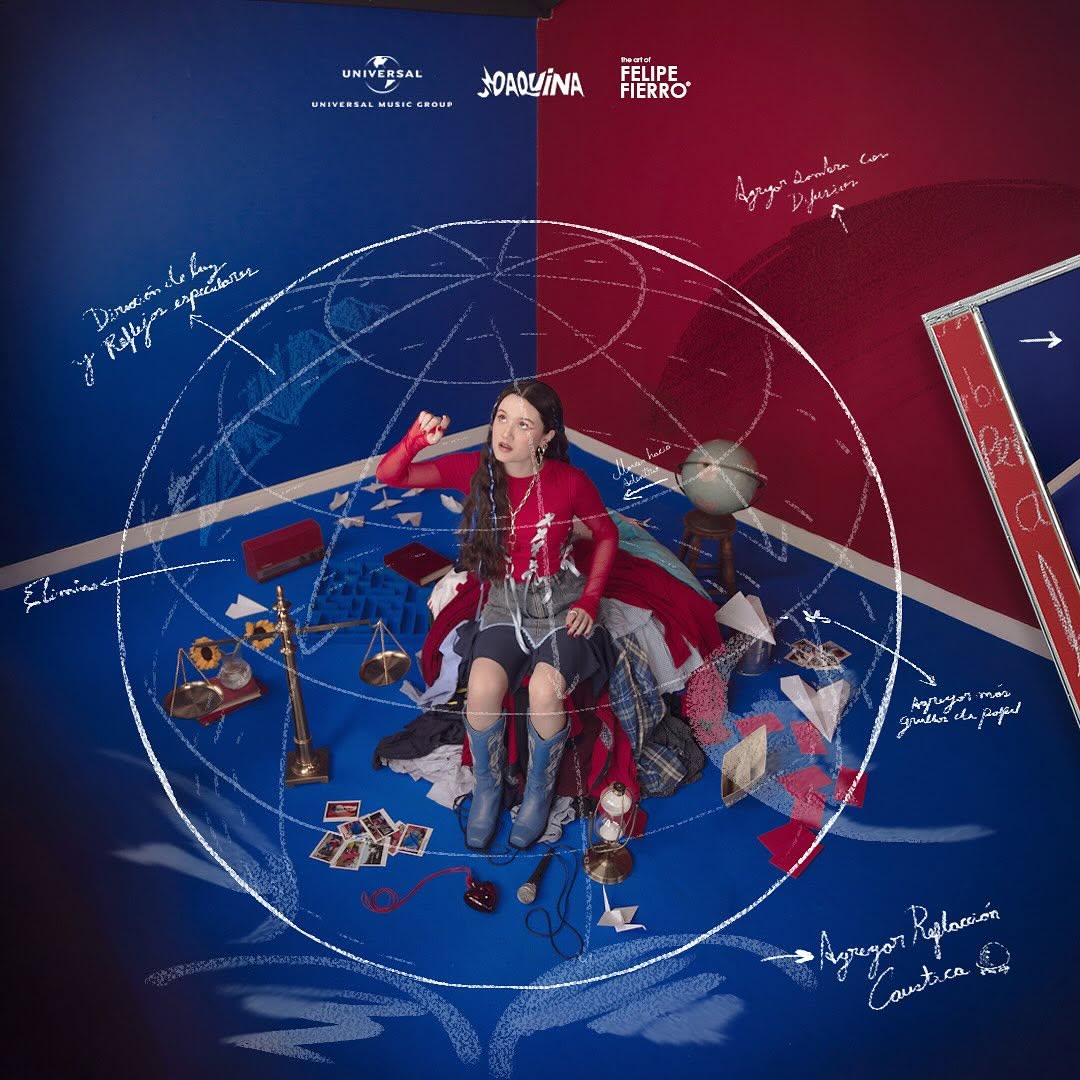
An integrated approach connecting concept, direction and visual execution.
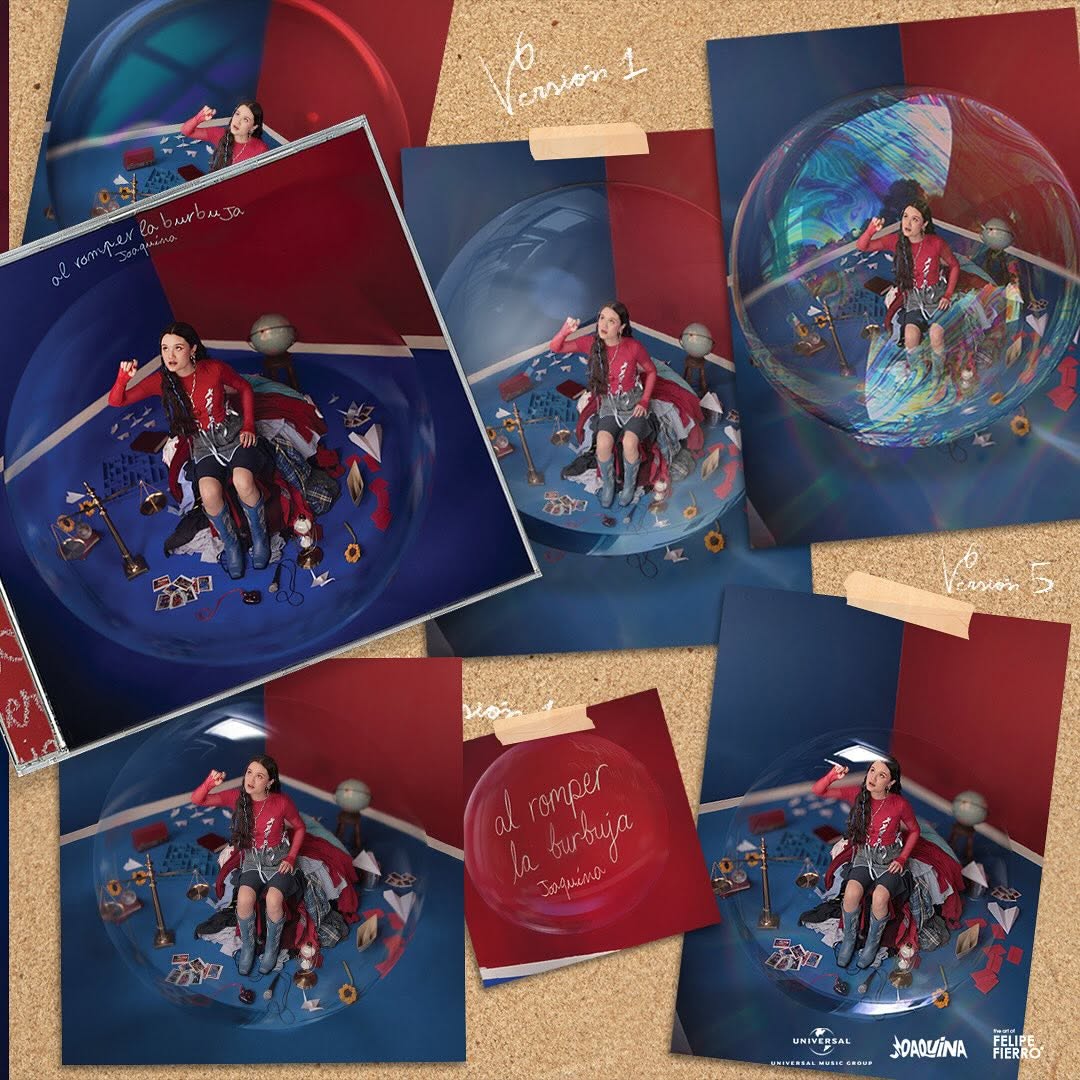
final result
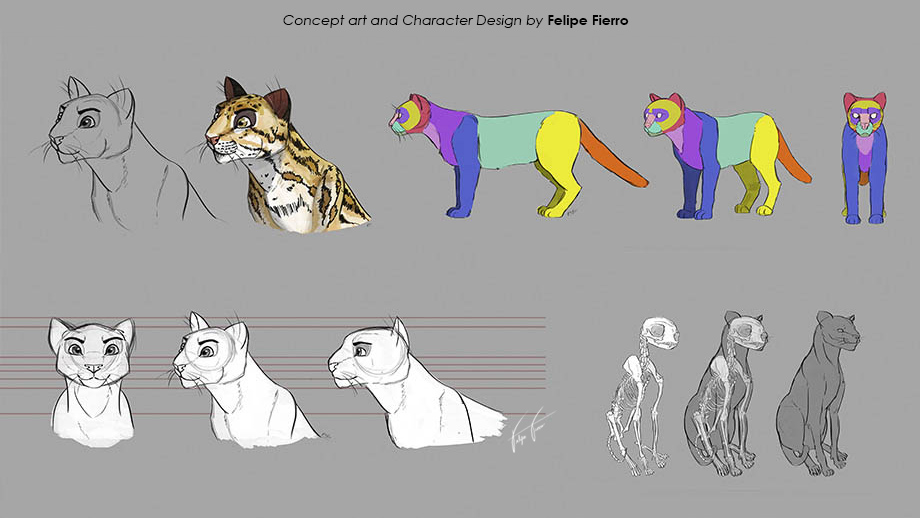
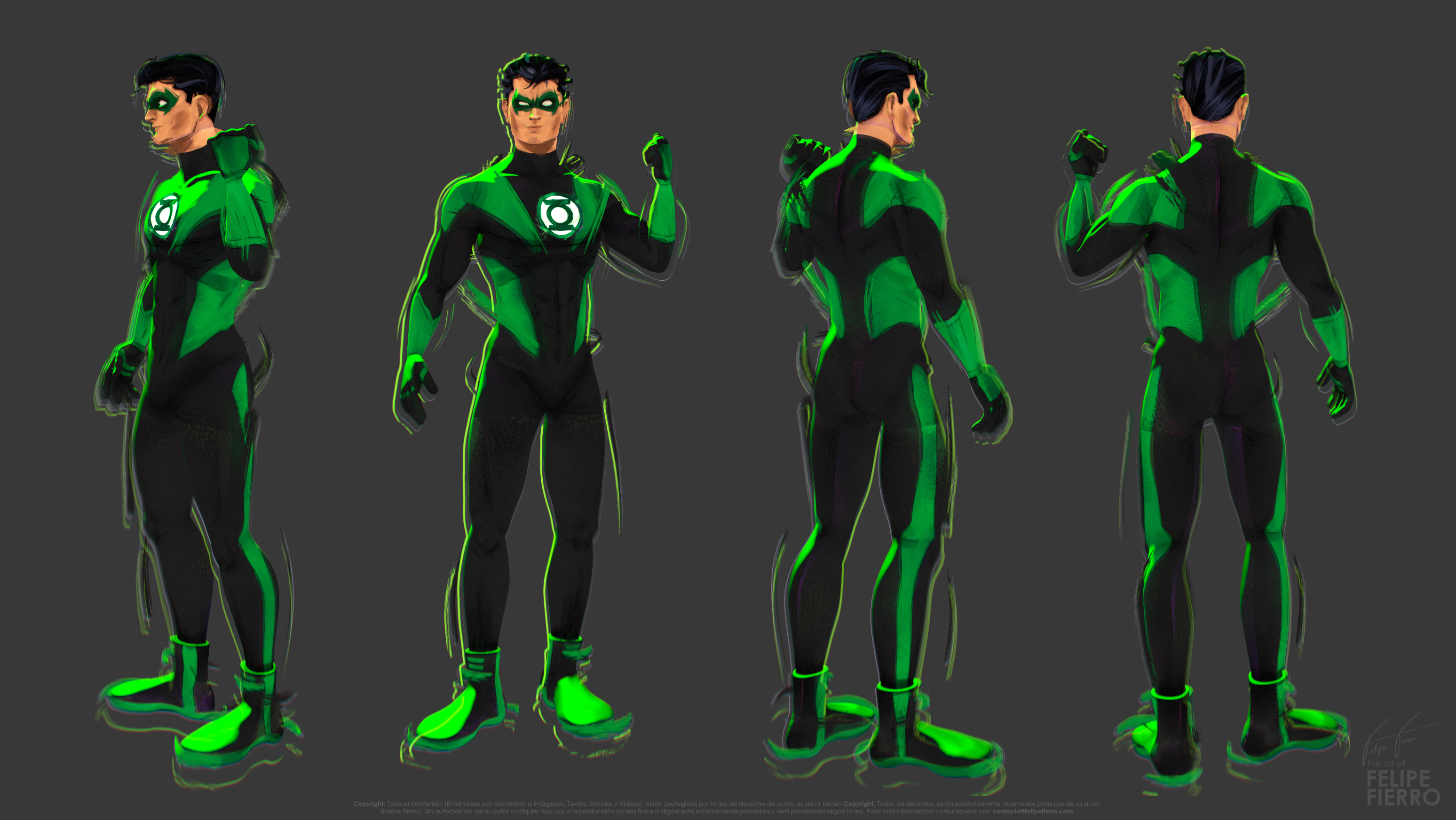
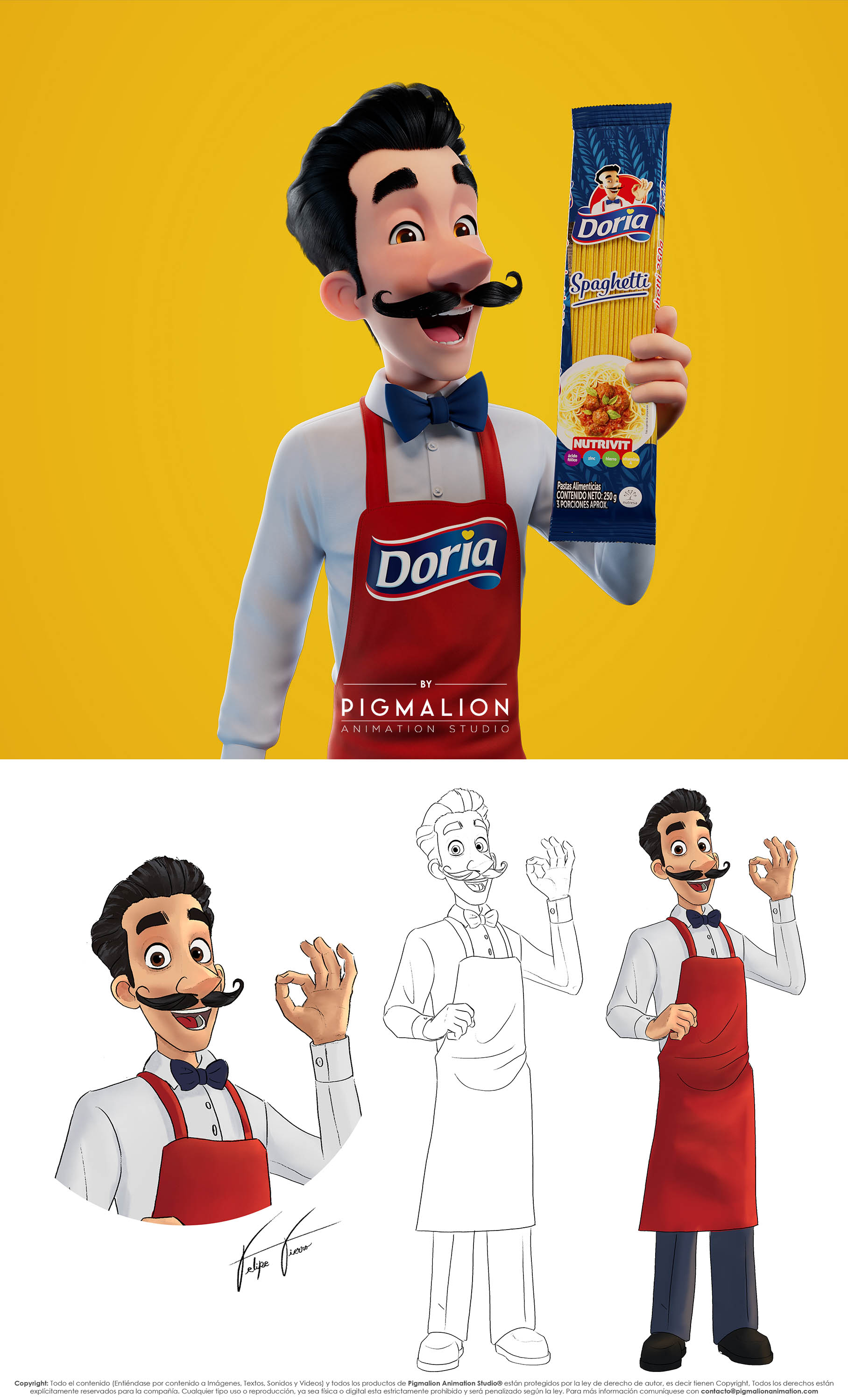
High-quality character design with artistic intent and direction.
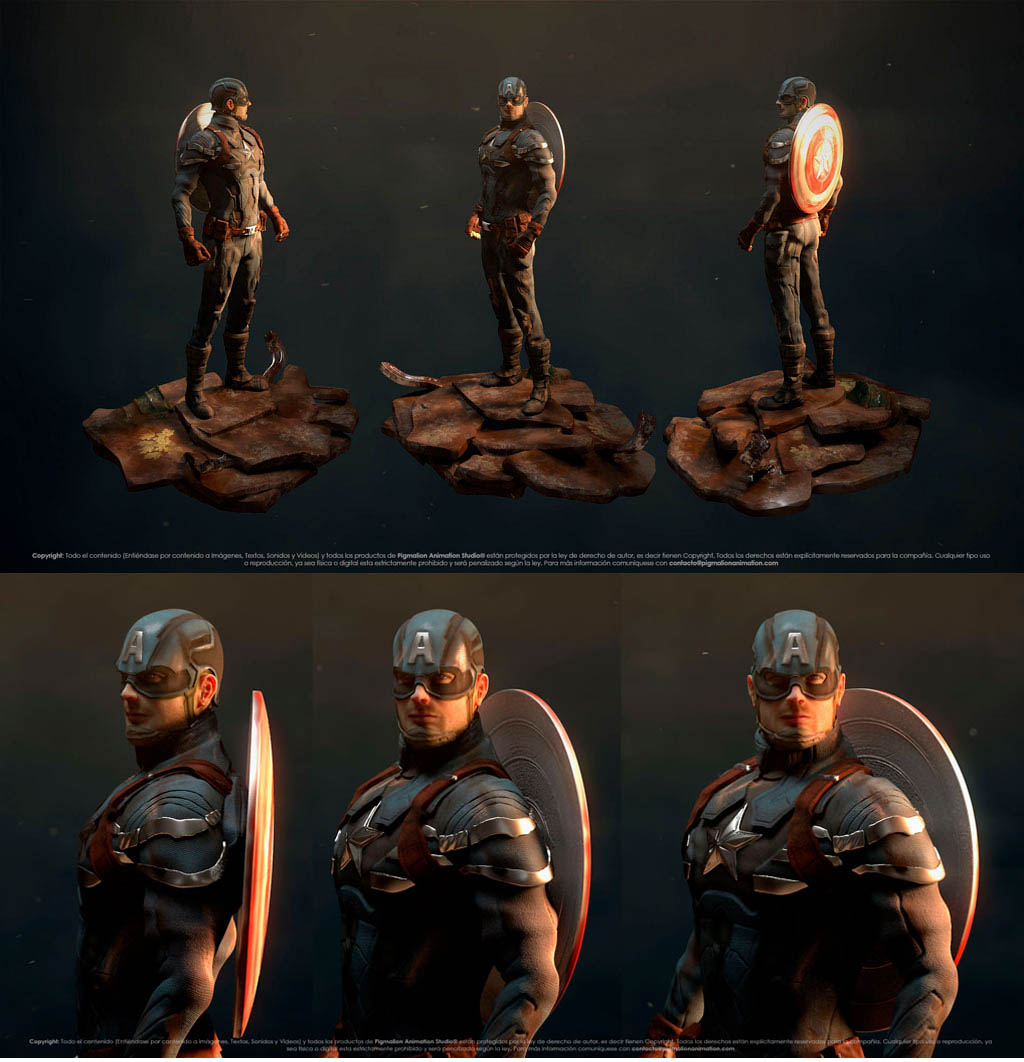
A project where storytelling, technology and visual direction come together to create high-impact experiences.
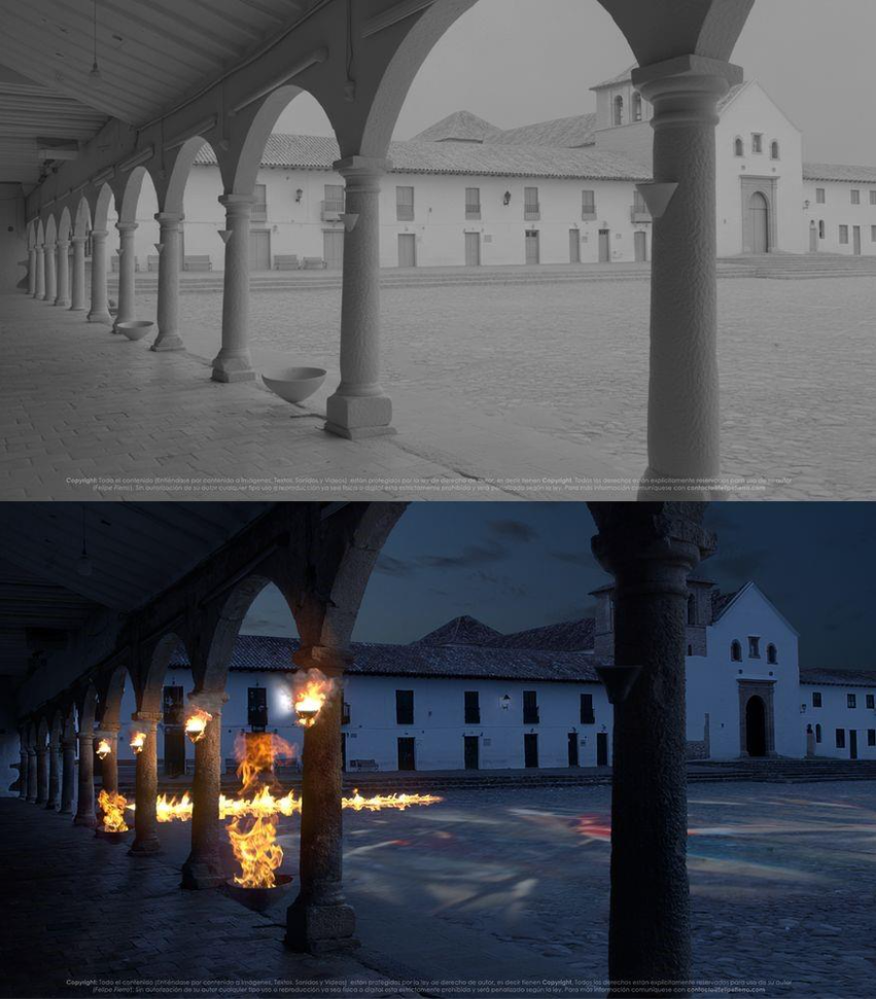
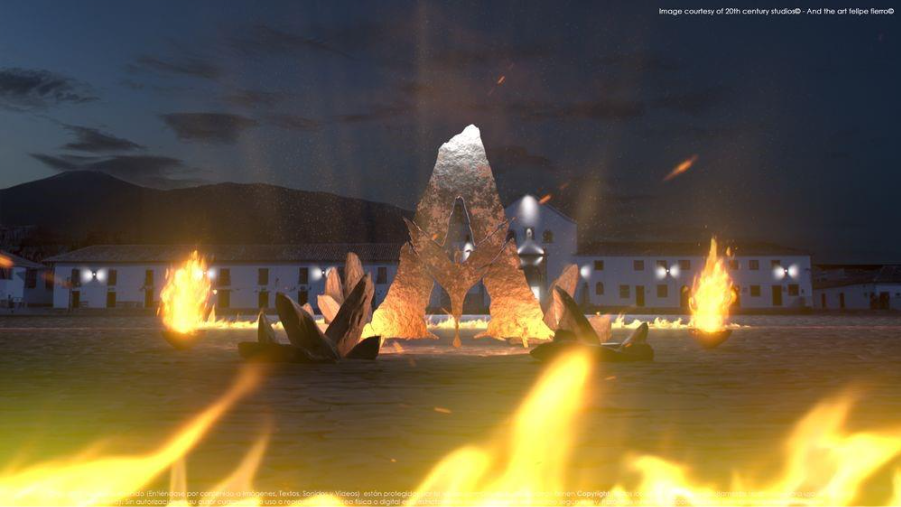
VFX and compositing to integrate every element with cinematic precision.
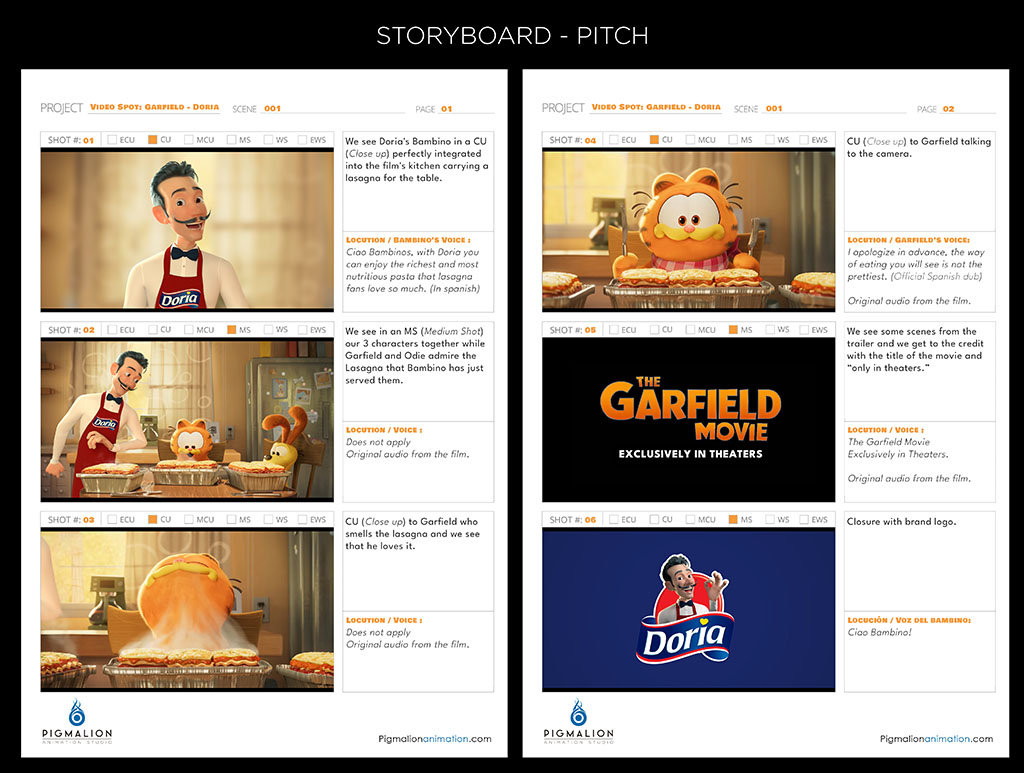
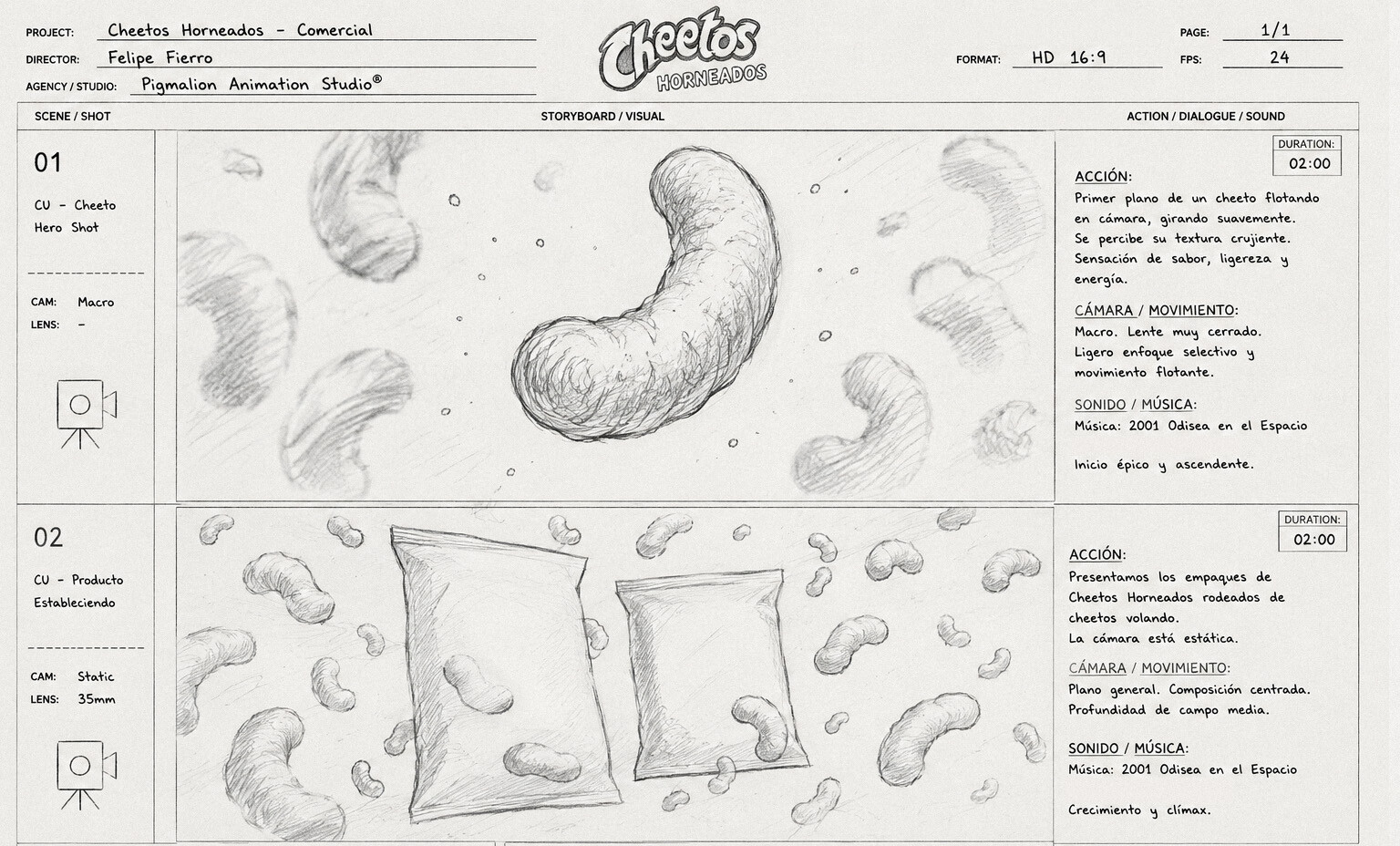
Storyboard and project planning
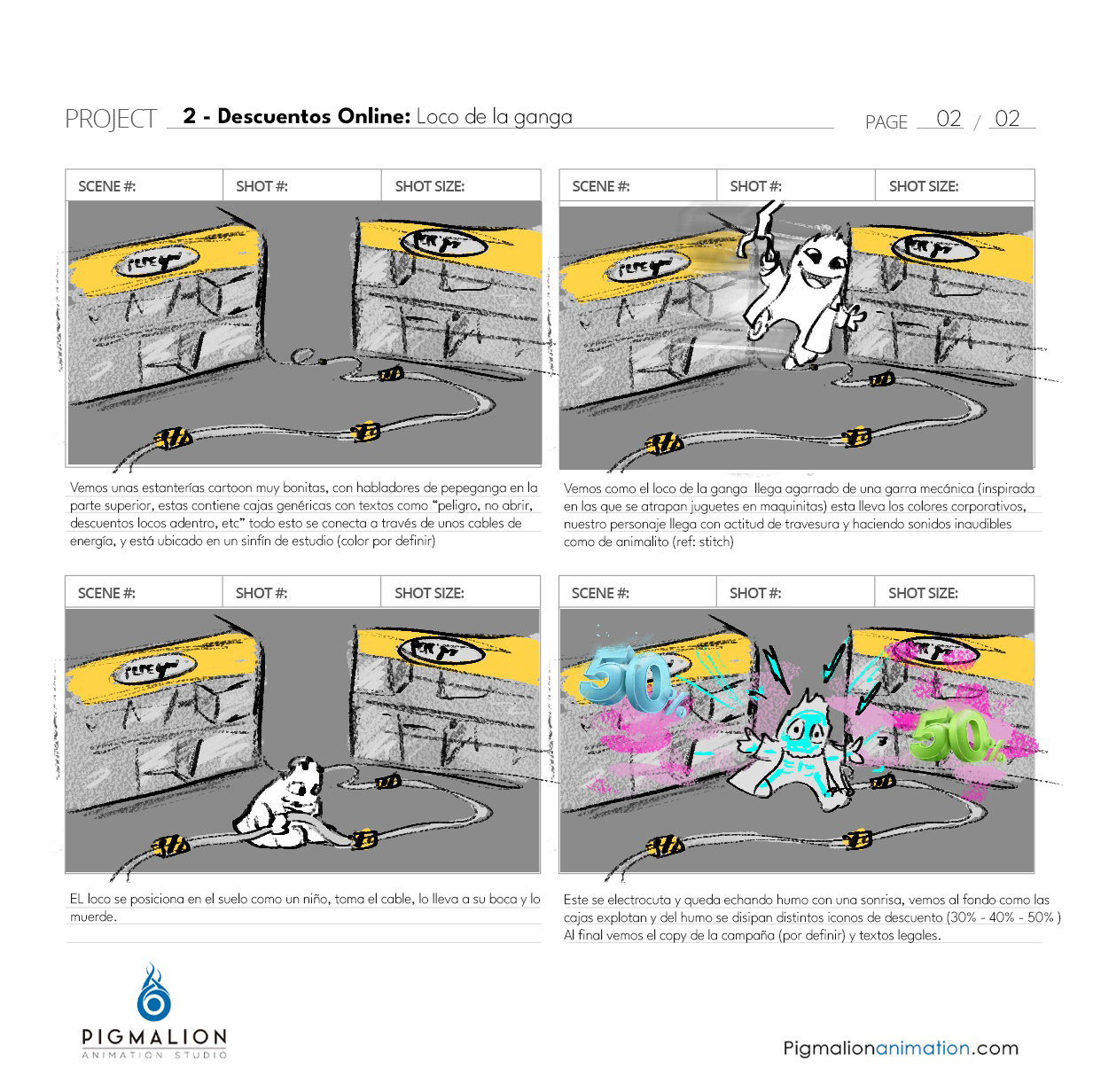

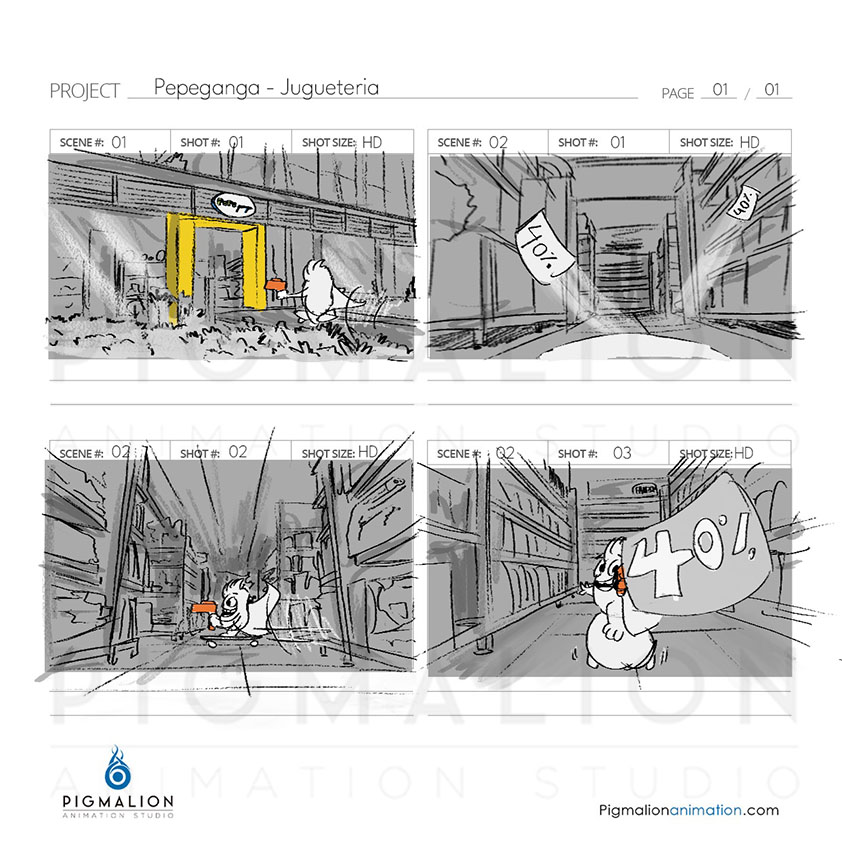
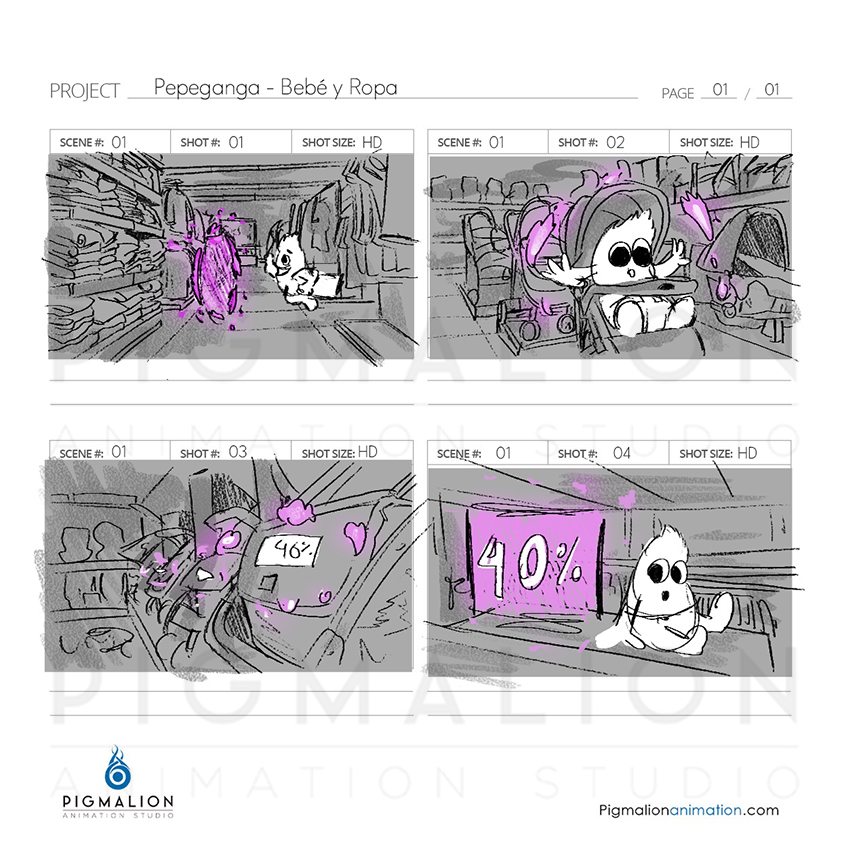
A high-impact piece designed to capture attention from the very first second.
Creative campaign planning, storyboard development, sketching and test rendering to present and visualize the proposal attractively, making the idea easier to understand and ultimately convincing the client of its creative and commercial potential, giving the project the green light.
VFX, compositing, label texturing, modeling and hyperrealistic physical simulation of Badia’s internal product, carefully crafting materials, lighting and physical behavior for a highly faithful visual representation.

Concept art, creative direction, rigging, animation, real-time animation app development and cloth simulation for 2026 campaign assets.
Development and creative direction of an audiovisual piece for Cheetos, combining 3D animation and visual effects to build a dynamic, energetic universe. The project explored the brand’s visual language from a cinematic perspective, bringing its product into a fully digital environment.
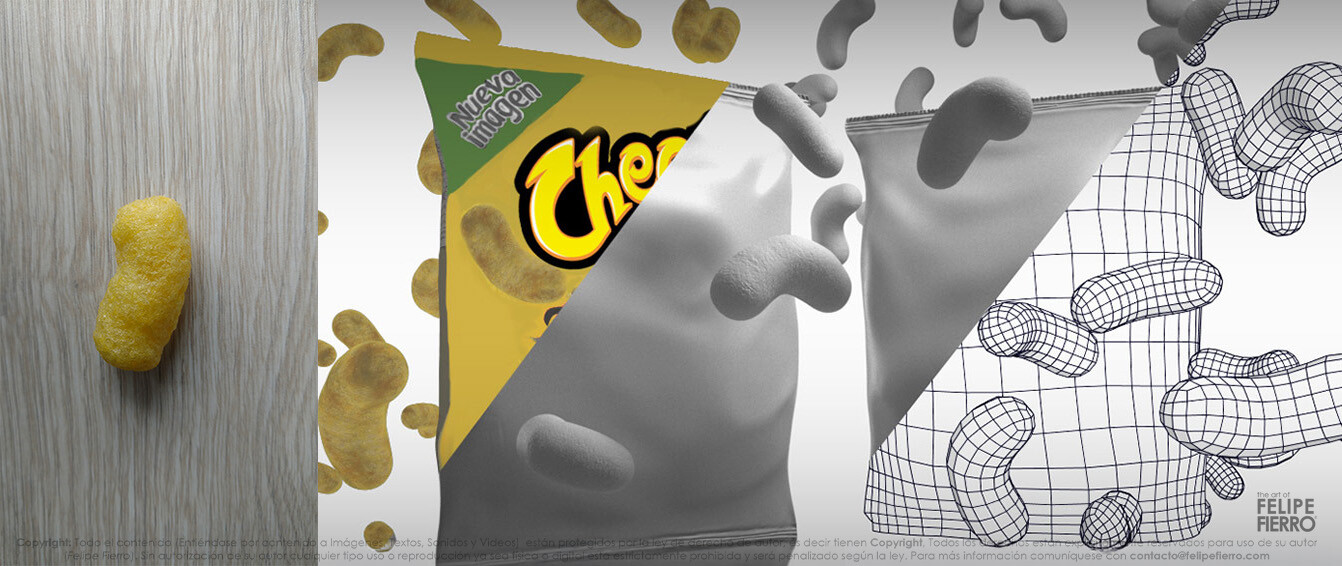
A visual exploration of product, movement and rhythm expressed through the language of animation.
An exercise in visual storytelling where character, atmosphere and movement work together.
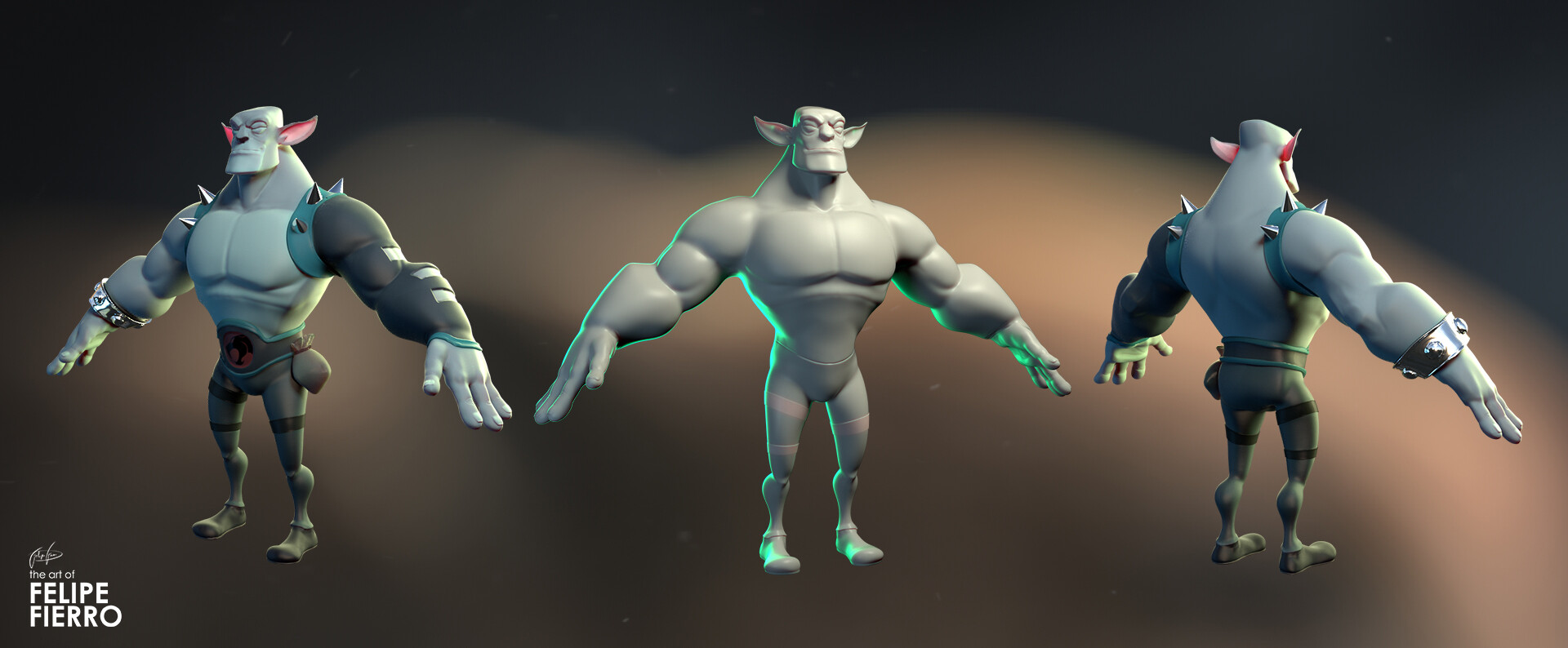
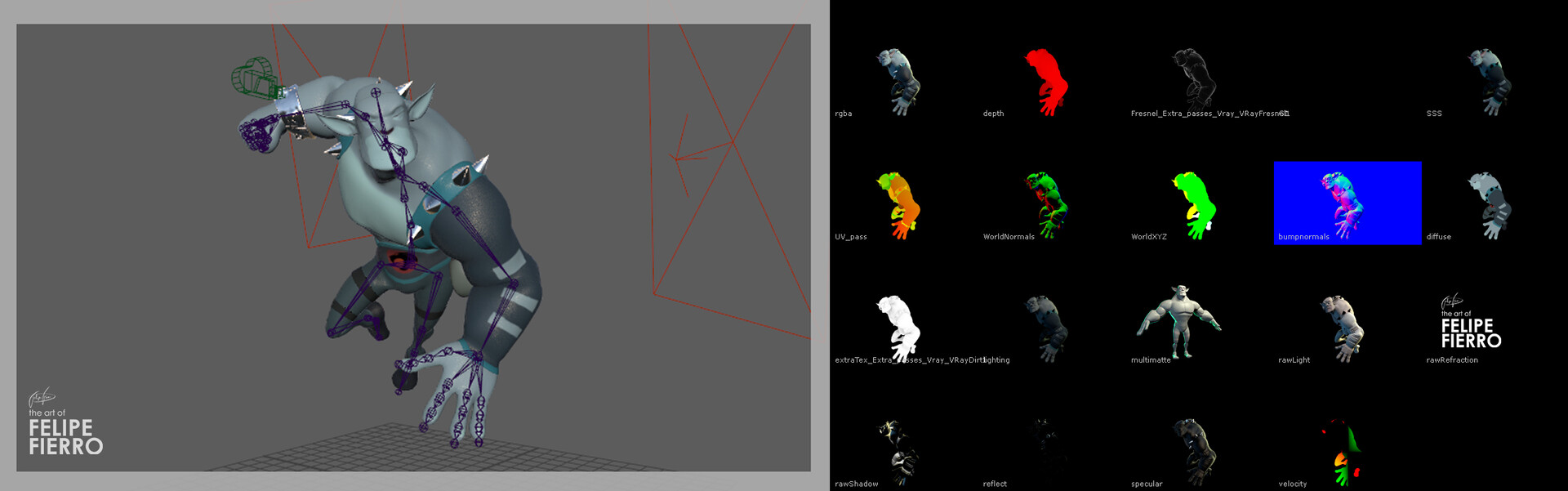
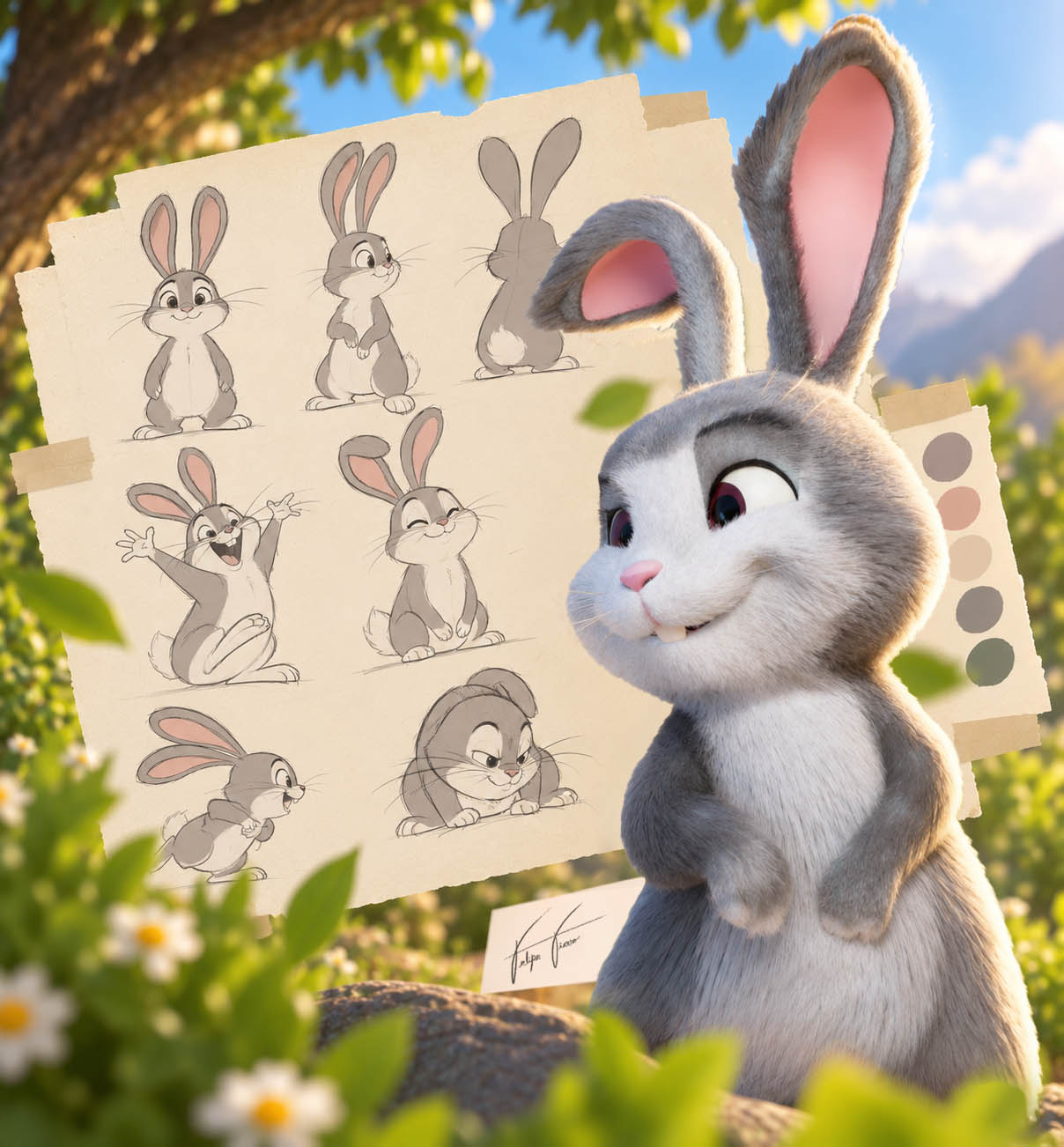
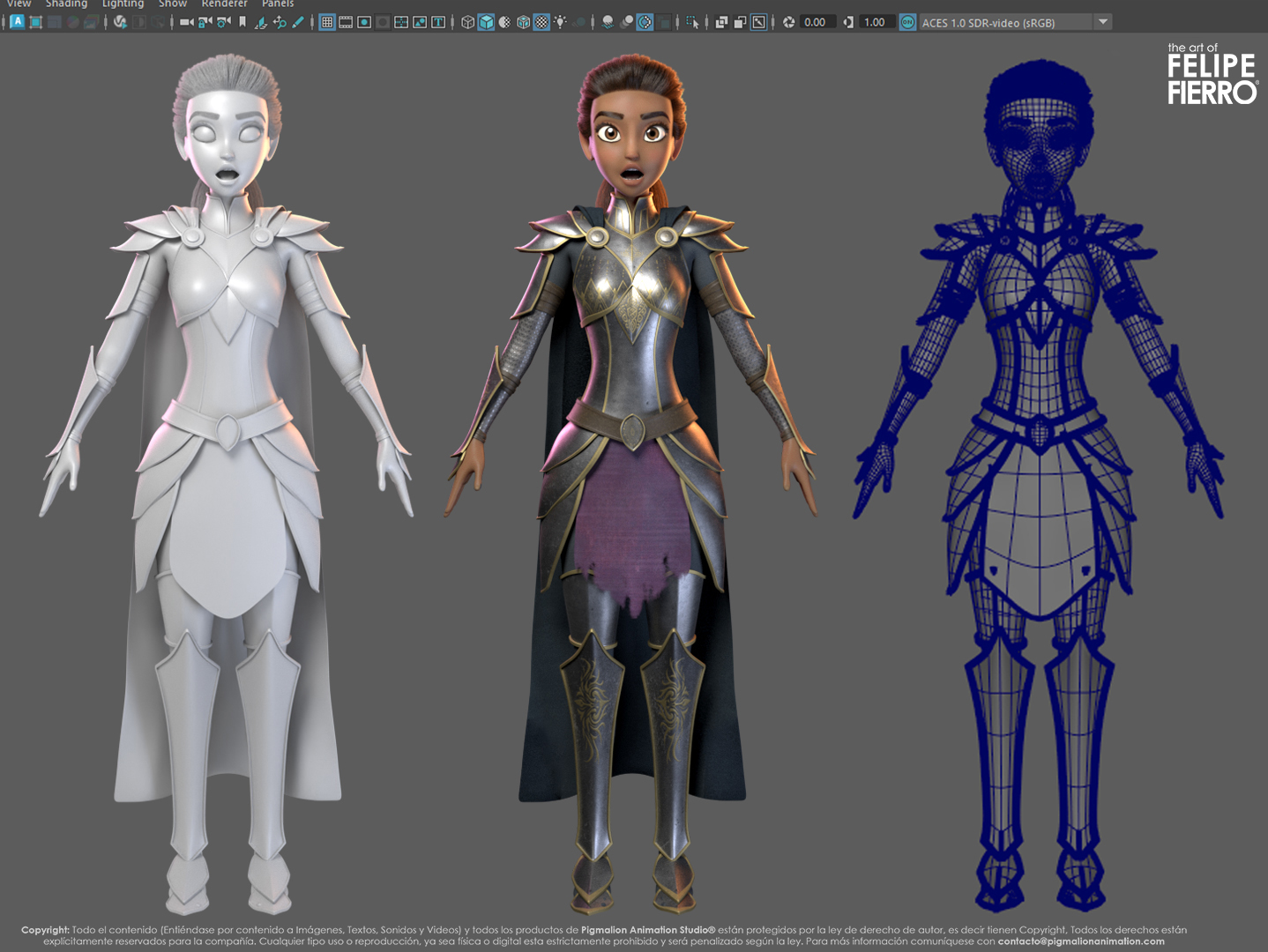
What started as a rigging exercise quickly evolved into a much more ambitious project. I ended up handling the character design, modeling, grooming, texturing, animation, rigging, rendering, and compositing… basically, the entire pipeline!
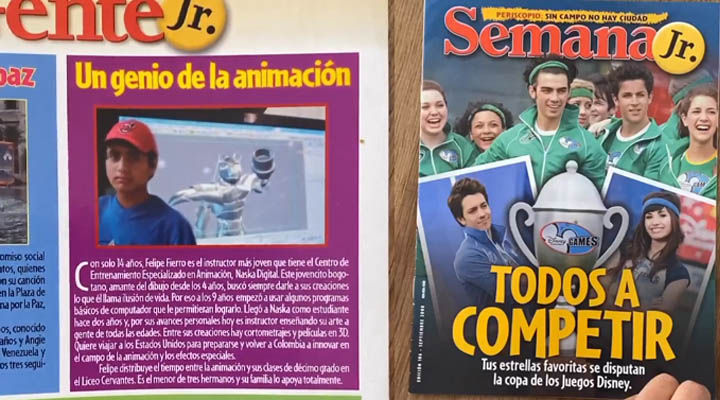
It’s exciting to see what I’m capable of achieving now, at 31, compared to when I first started animating at 13. I hope to keep creating for you, but above all, for myself.
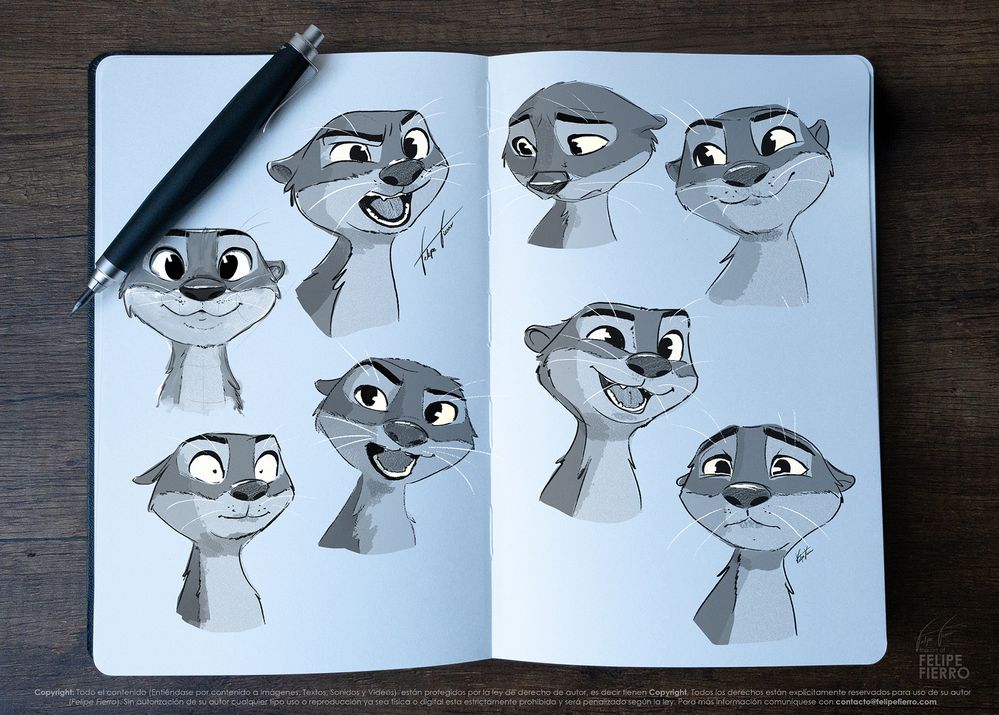
It all started with a sketch. Since this was primarily a rigging project, I wanted to introduce a few challenges, such as the eyes. I didn’t want the typical spherical eyes; instead, I wanted to explore the complexity of rigging the rotation of oval-shaped eyes. From there, the forms began to develop organically.
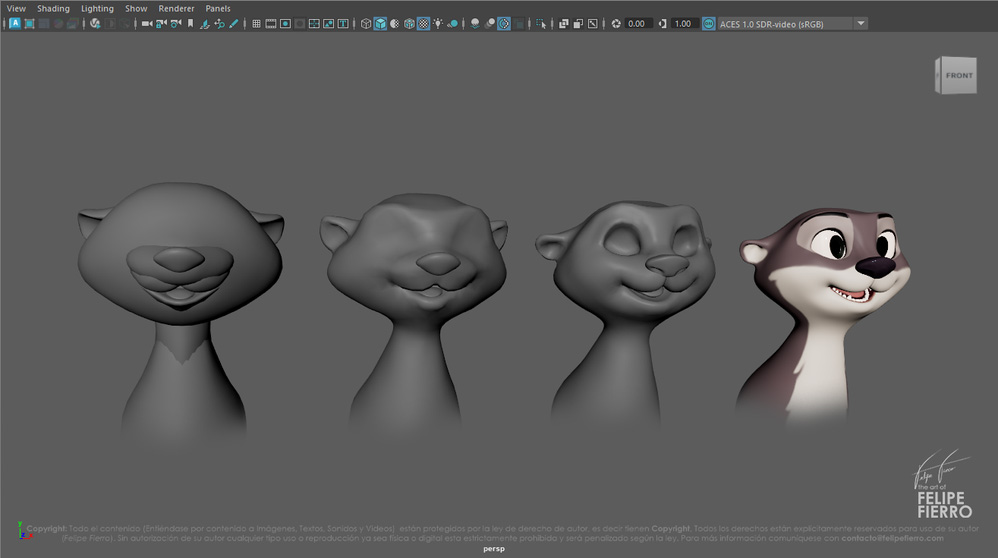
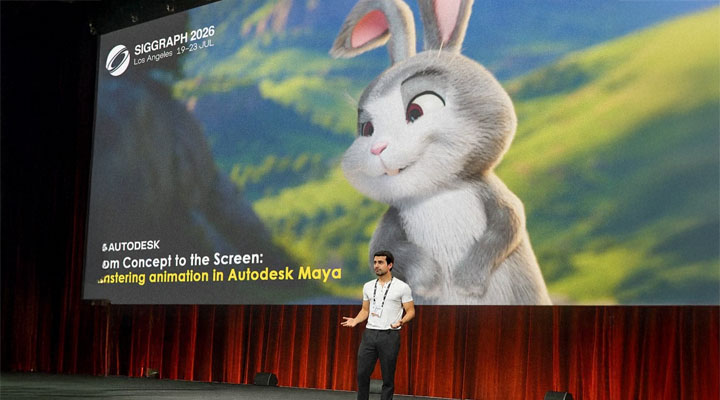
For the modeling, I challenged myself to sculpt the entire character 100% inside Maya. The new Remesh and Boolean tools worked wonderfully for what I needed, allowing me to sculpt the character quickly.
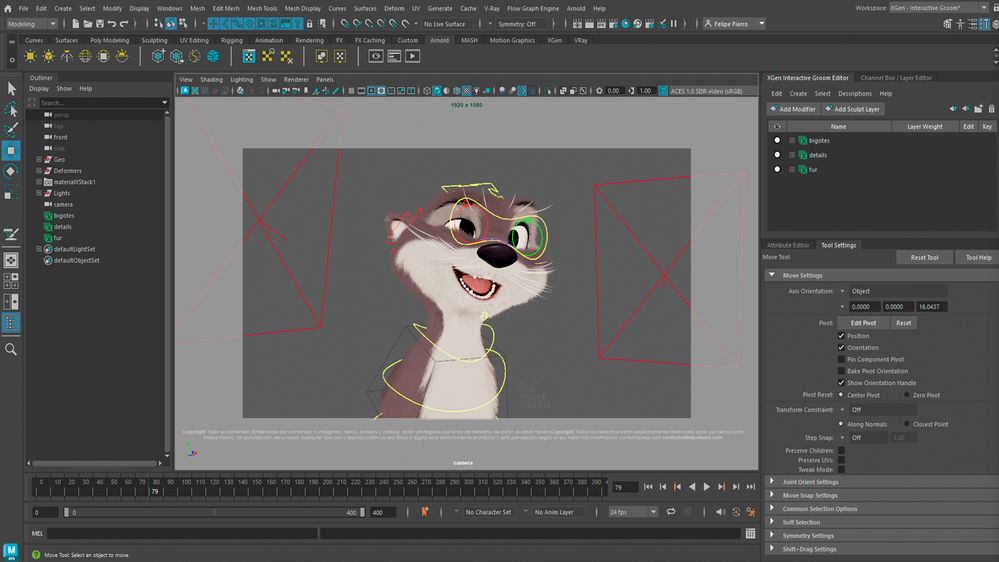
For grooming, I used the XGen Interactive Groom Editor, and it worked perfectly. I was able to sculpt the fur exactly as I had imagined it. For rendering, I used Arnold because I wanted to achieve that feeling of “cinematic quality.”
Rigging was my main focus throughout this incredible project. By that point, I had completely fallen in love with the character and wanted to give it the best I could. I used the new multi-skinning system to create all kinds of controls and give the character as much flexibility as possible.
Finally, for the animation, I used the sketches as reference, trying to keep the poses as faithful to the original designs as possible. I think the result the rig allowed me to achieve was incredible.
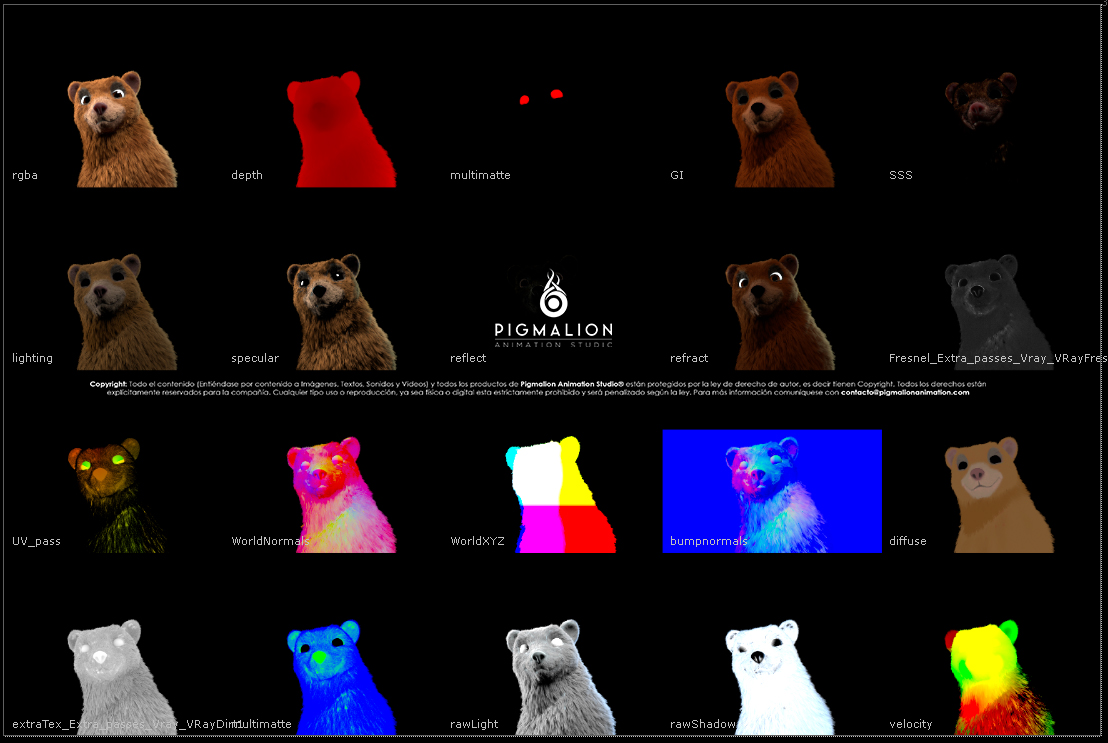
And then we reached the final stage: compositing! Arnold’s render passes were essential here, allowing me to work with depth of field, motion blur, and color adjustments during the final stage.
And that’s it, folks! Hahaha, this is the result of one week of work by a “one-man band.” I hope you enjoyed it as much as I enjoyed creating it.
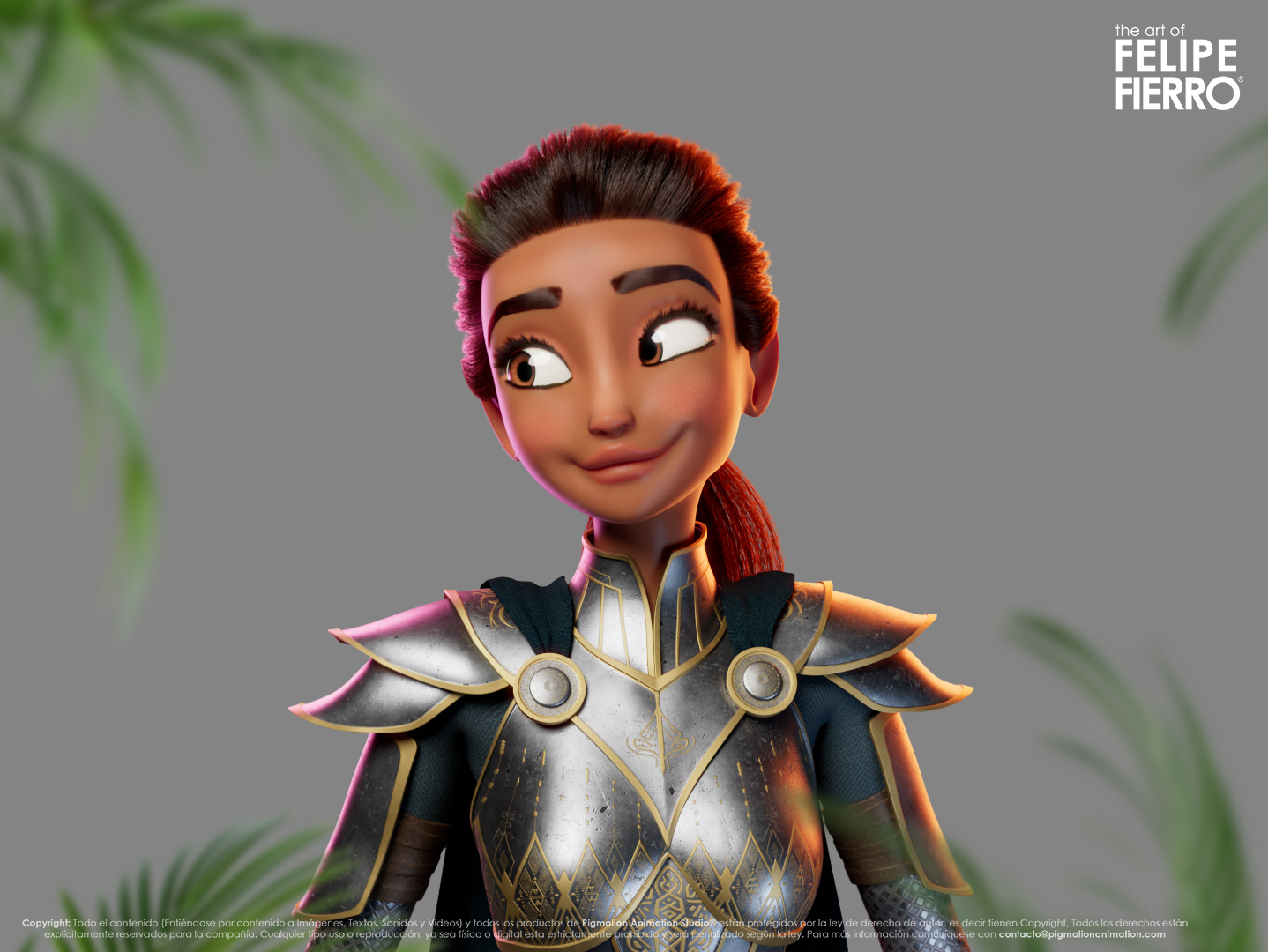
Few things are more satisfying to me than channeling deep emotions through the characters I create. This particular character had been living in my mind for quite some time, patiently waiting until I could finally give it the attention it deserved.
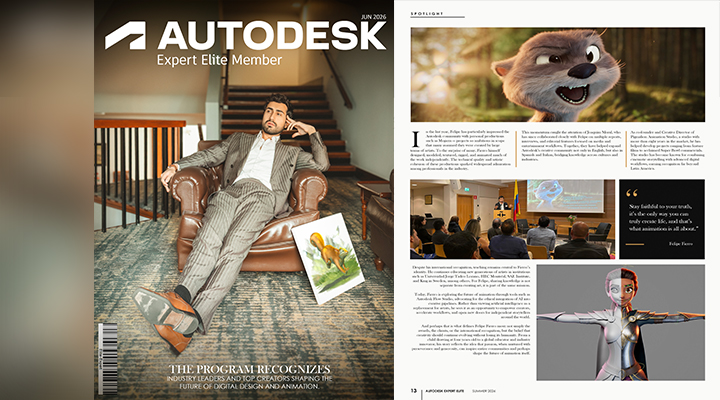
One of the key tools I use to evoke emotions is contrast. I’ve always believed that the most compelling ideas come from unexpected associations. In this case, I imagined a Latina princess with curly hair, brown skin, and proud features. But I wanted more. I wanted her to be a knight—yes, in the tradition of Don Quixote, that iconic European figure deeply embedded in our collective imagination.
And that’s where the magic happened.
When we think of knights, we almost always imagine men or, in rarer cases, women portrayed through a Eurocentric lens. Think of Joan of Arc: the image that usually comes to mind is that of a white woman with straight, reddish hair. Animated cinema, in particular, lacks Latin American representation in these archetypal and symbolic roles.
And while I know this character is not “historically accurate,” that is the power of artistic freedom: we dream not only about what was, but also about what could be.
What started as a casual exercise quickly turned into a full-fledged passion project, taking me through the entire production pipeline: character design, modeling, grooming, texturing, rigging, animation, and rendering. It’s always exciting to see what I’m capable of now, especially when I reflect on my journey—a journey that began at the age of 13, when I first fell in love with animation.
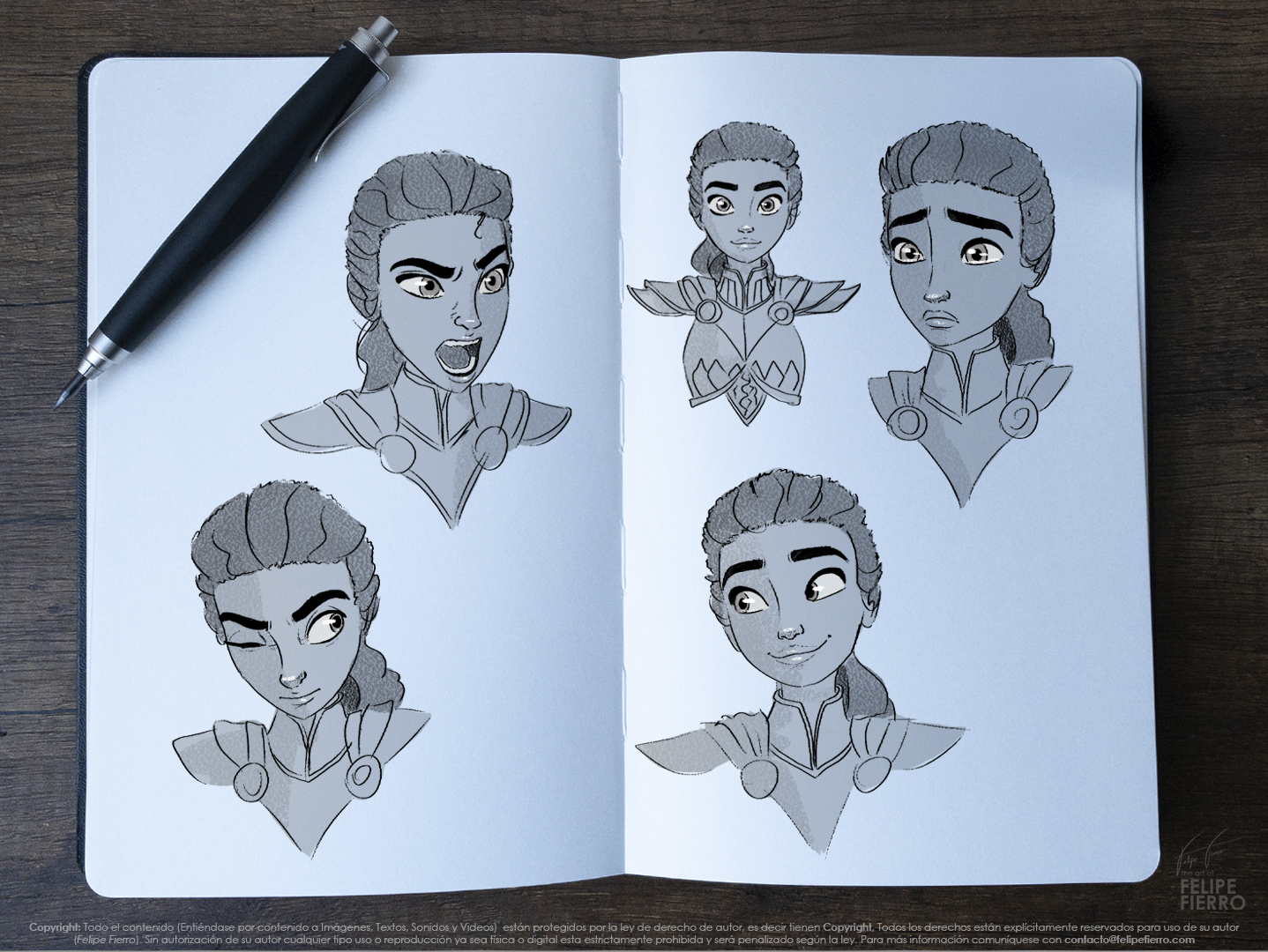
The concept began with rough sketches and simple gestures that captured the emotional weight and movement. As an animator, I can’t help but think in keyframes. It’s in the expression, the subtlety of a look, or the nuance of a pose where true emotion lives.
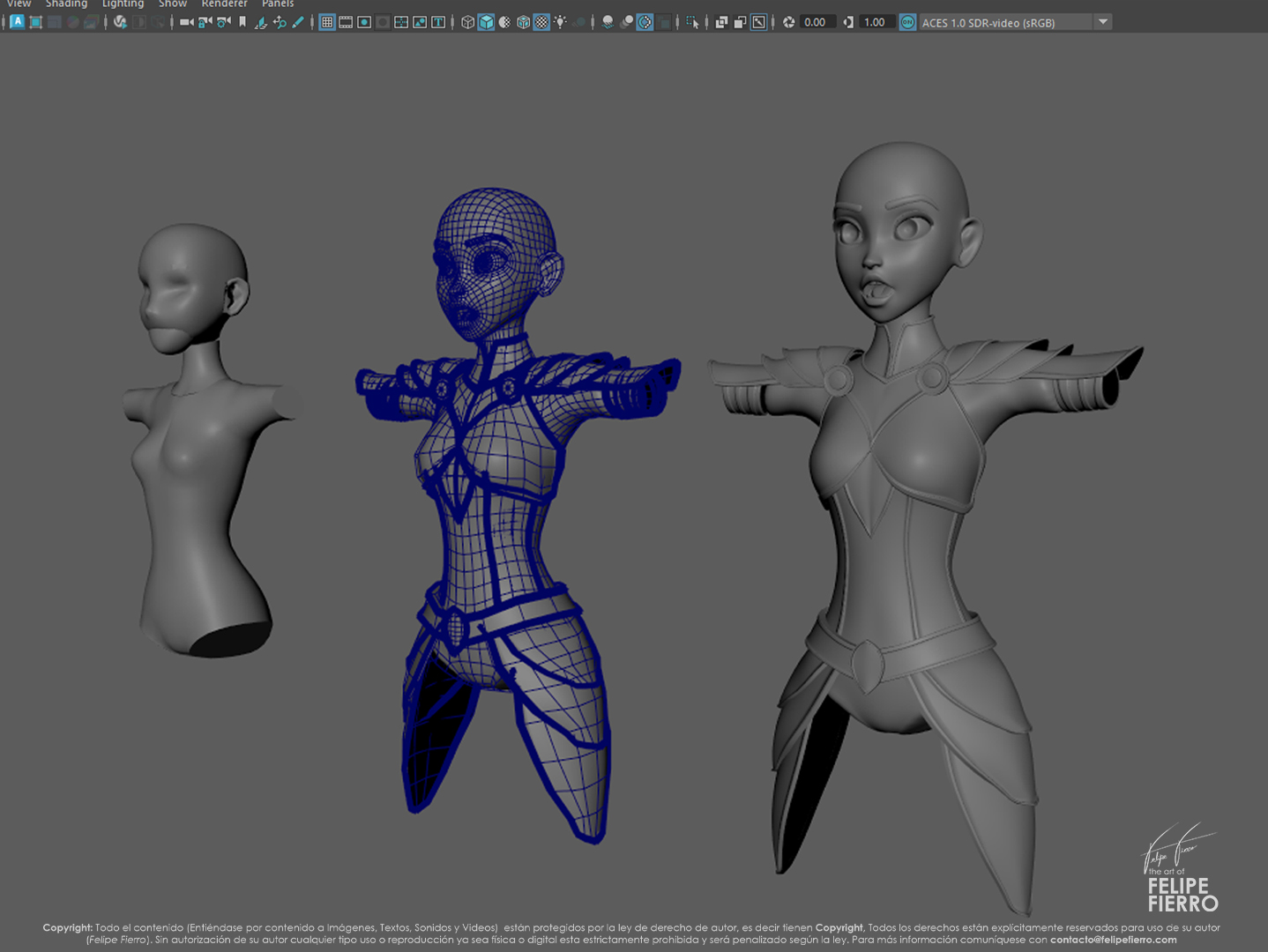
For the modeling, I worked entirely in Maya, using a combination of Boolean, manual, and automatic retopology. The character came together quickly, and for the topology, I relied on Quad Draw to make sure everything was clean and matched the silhouette I had envisioned.
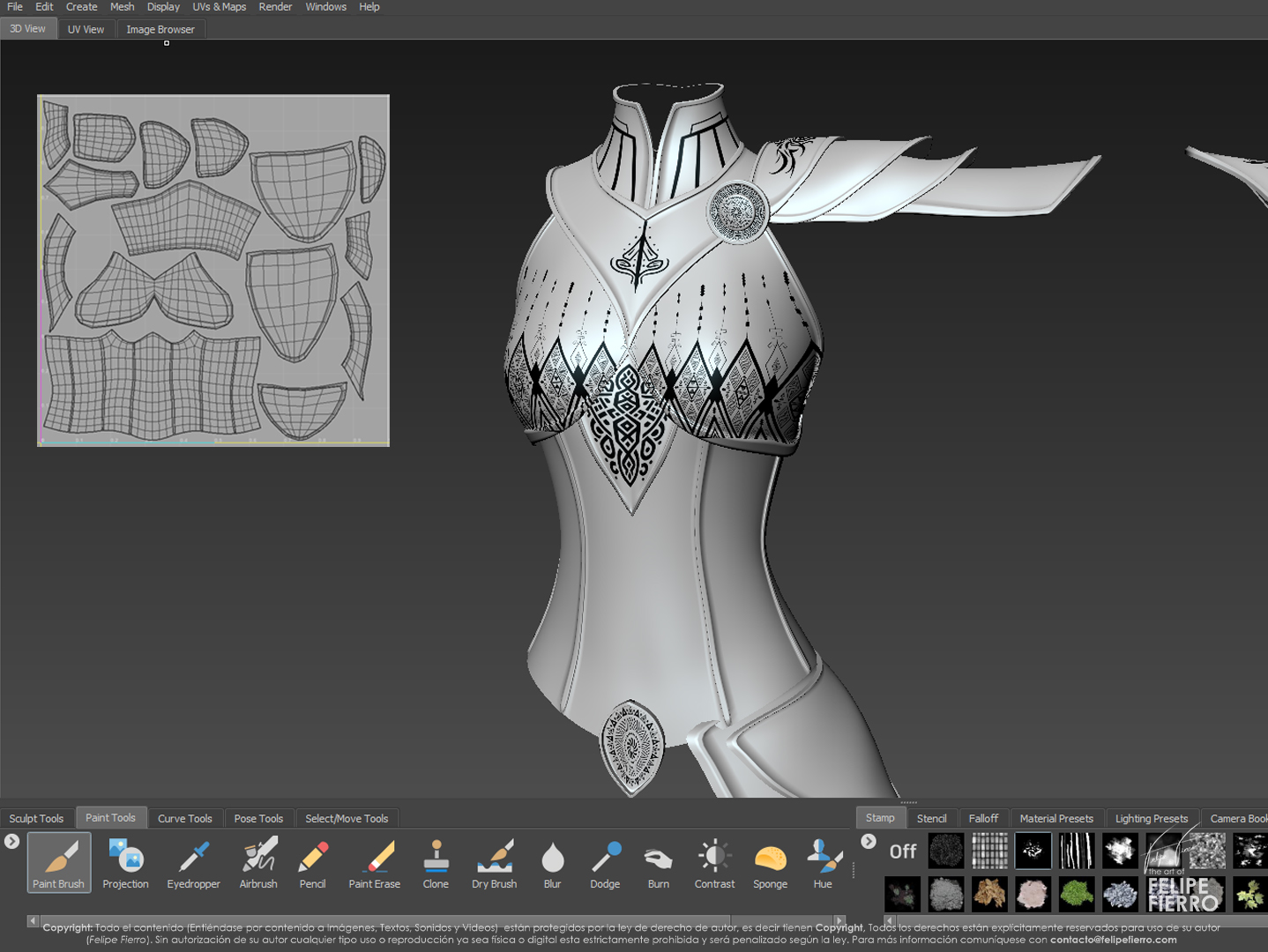
The textures were created in Mudbox, combining procedural elements with hand-painted layers. When it comes to fine details, I prefer having complete creative control, and Mudbox allowed me to shape every nuance with precision.
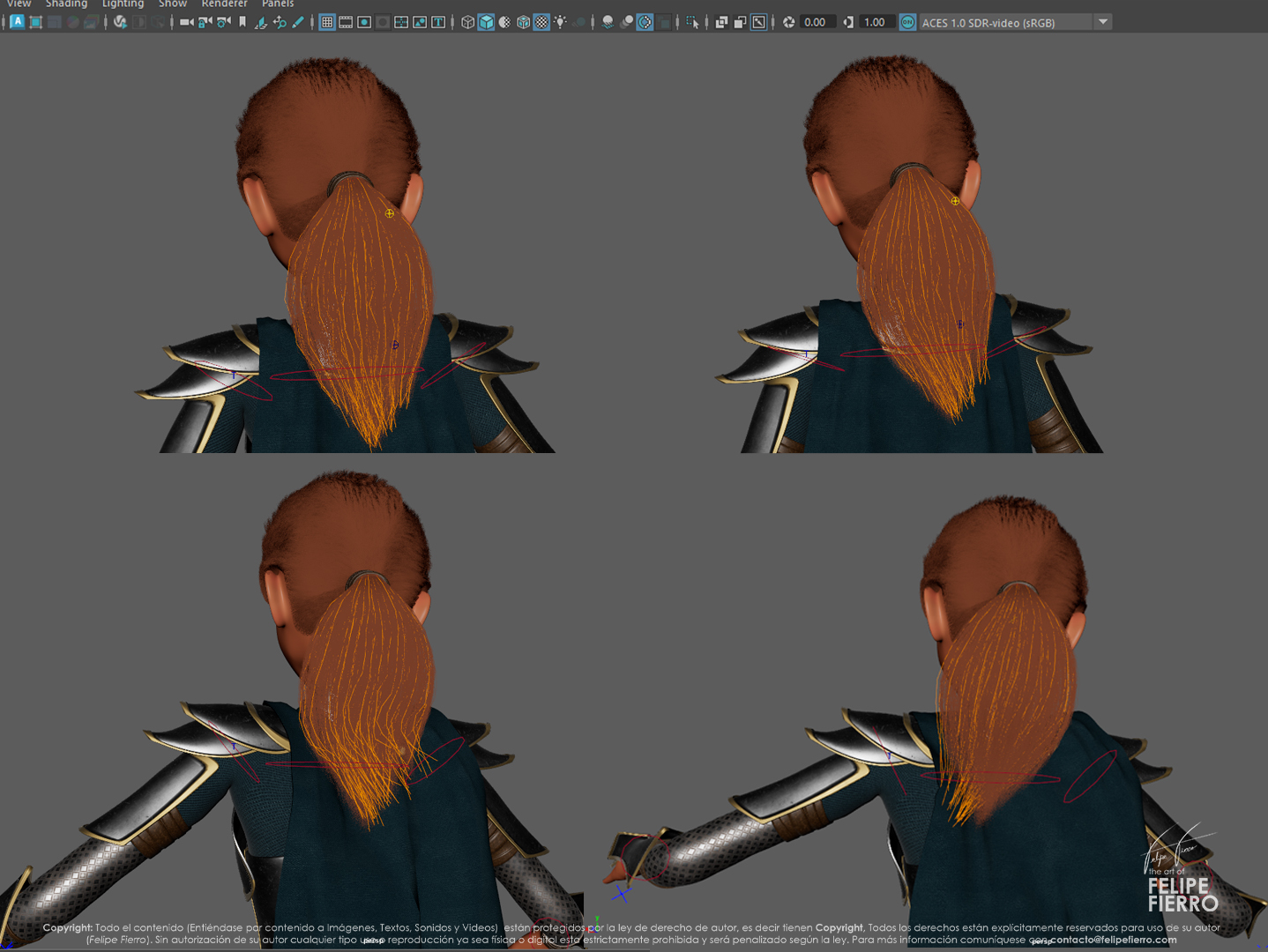
Hair and clothing simulation presented a special challenge: recreating the texture of Latin hair, which requires a higher point density and more complex calculations. I used XGen and nCloth to bring both the hair and fabric to life. The render times may have made my computer sweat, but the final result was worth it.
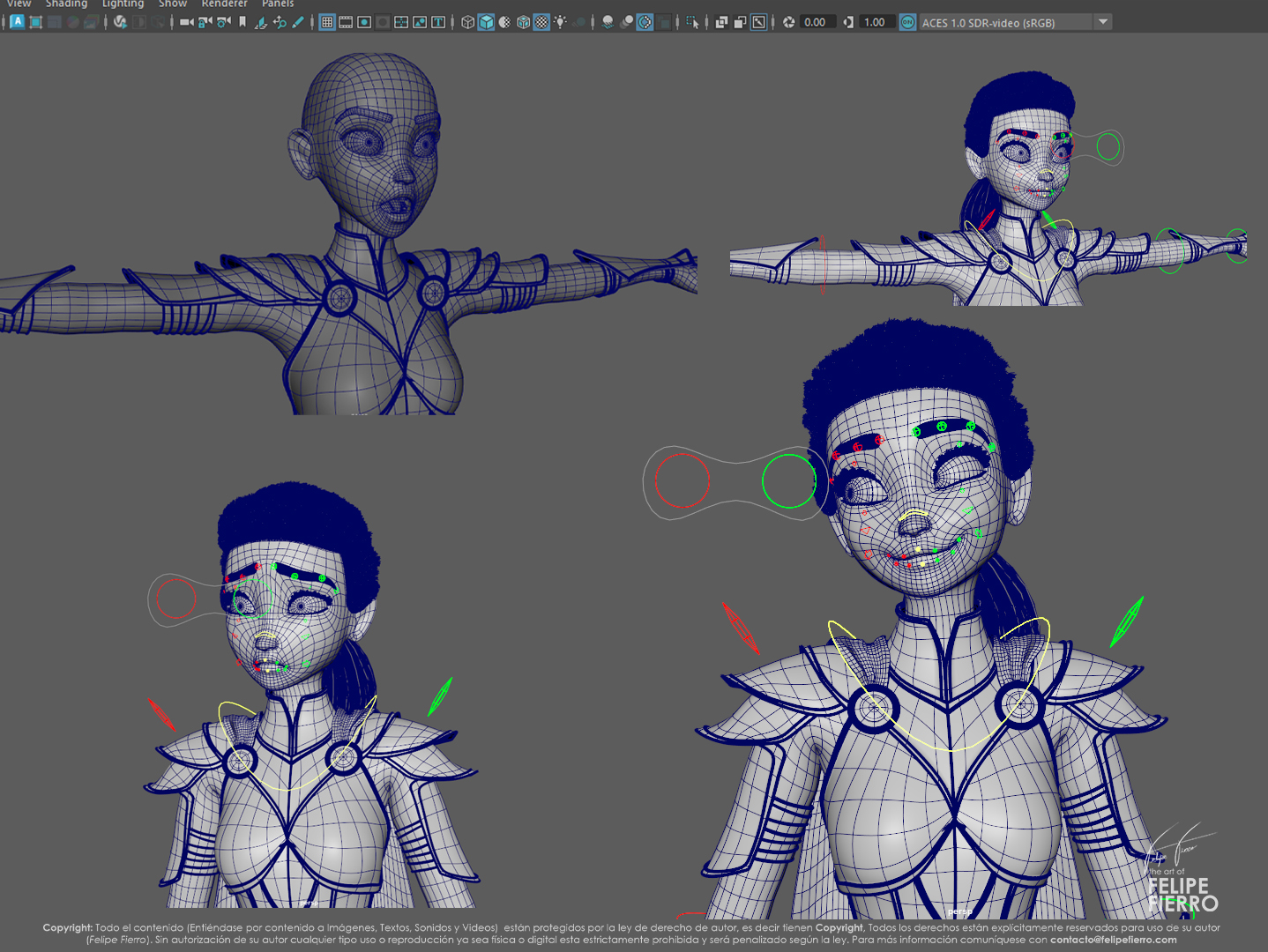
The rigging was built using a combination of several skinning systems and deformers available in the latest versions of Maya—tools that gave me the flexibility I needed to bring every pose and gesture to life.
And finally, the name “Mojarra” is a little piece of playful serendipity. As John Lennon might have called it, it’s a “ringism”—a name that simply stuck, playful and rhythmic. It comes from a traditional dish from Colombia’s Caribbean coast (my country), and while it can refer to a fish, it had a charm I simply couldn’t resist.
And that’s it!
Two weeks, one artist, and a whole lot of passion.
I hope you enjoy “Mojarra” as much as I enjoyed bringing her to life.
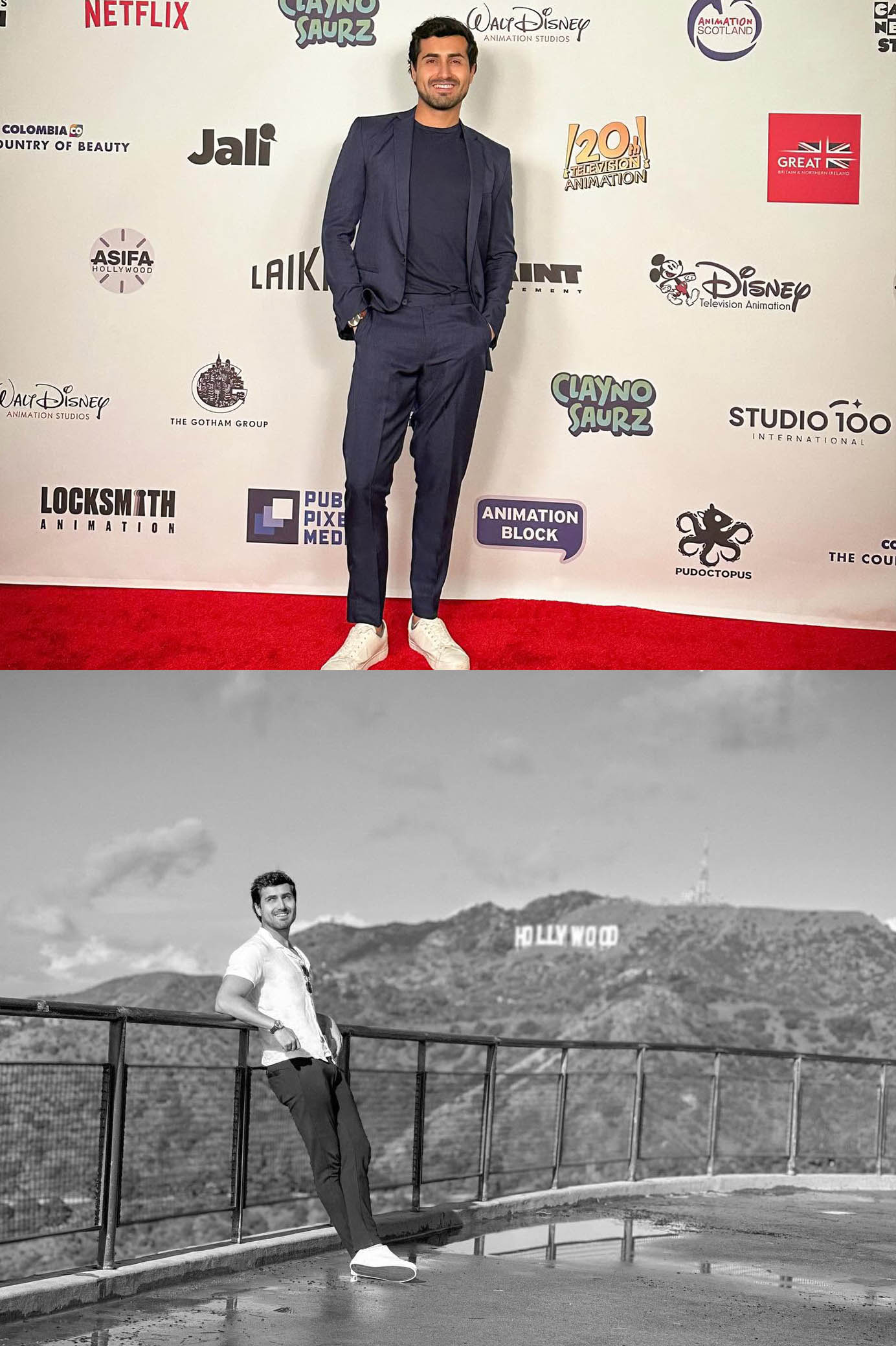
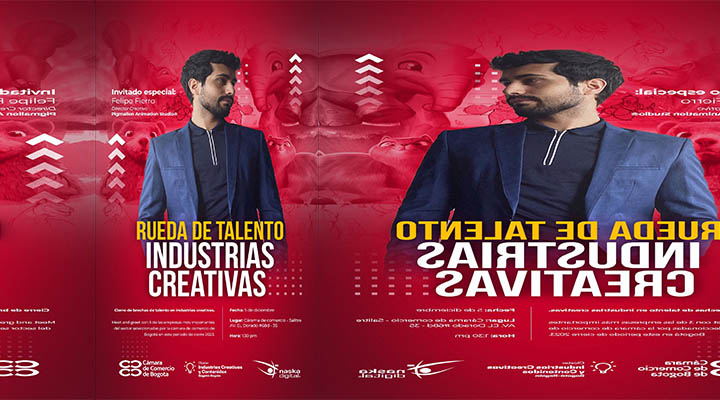
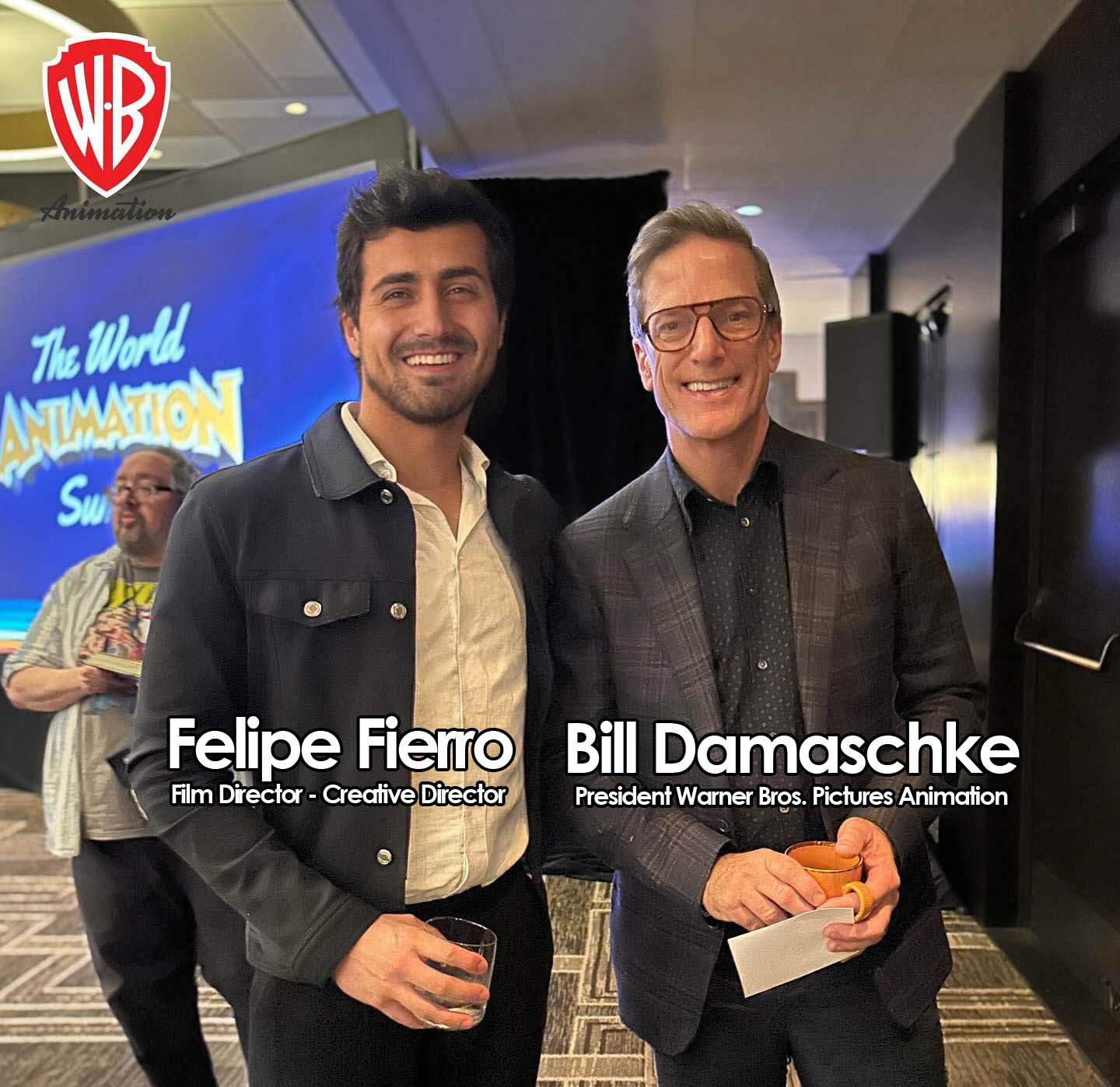
Felipe Fierro, Colombian Creative Director, 3D Animator and VFX Director, was invited to the World Animation Summit, an international gathering that brings together leading professionals and leaders from the animation industry. View World Animation Summit Profile
From Colombia, Fierro shared his experience in animation, VFX, advertising and emerging technologies, bringing a Latin American perspective to the global conversation about the future of the industry.
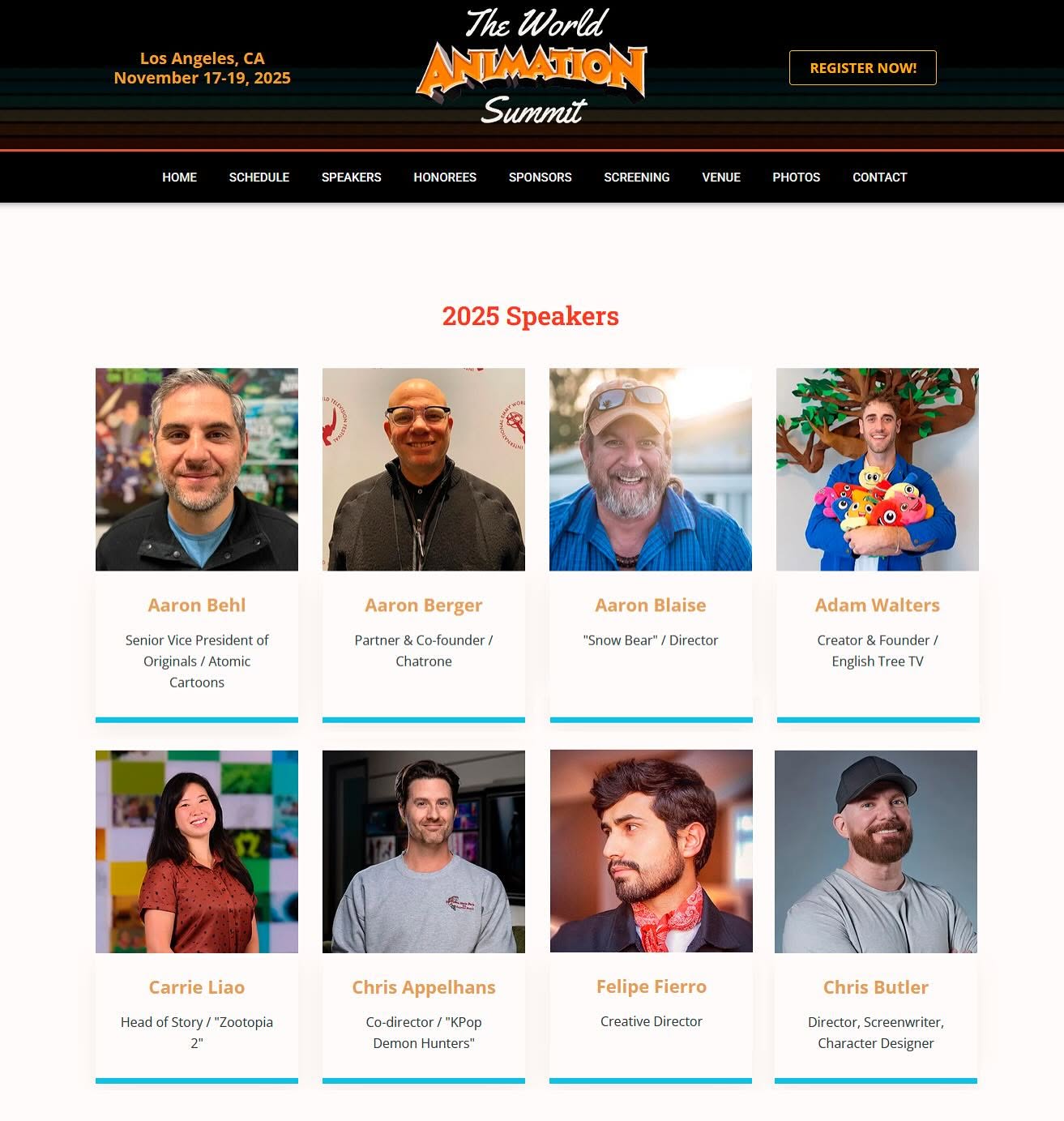
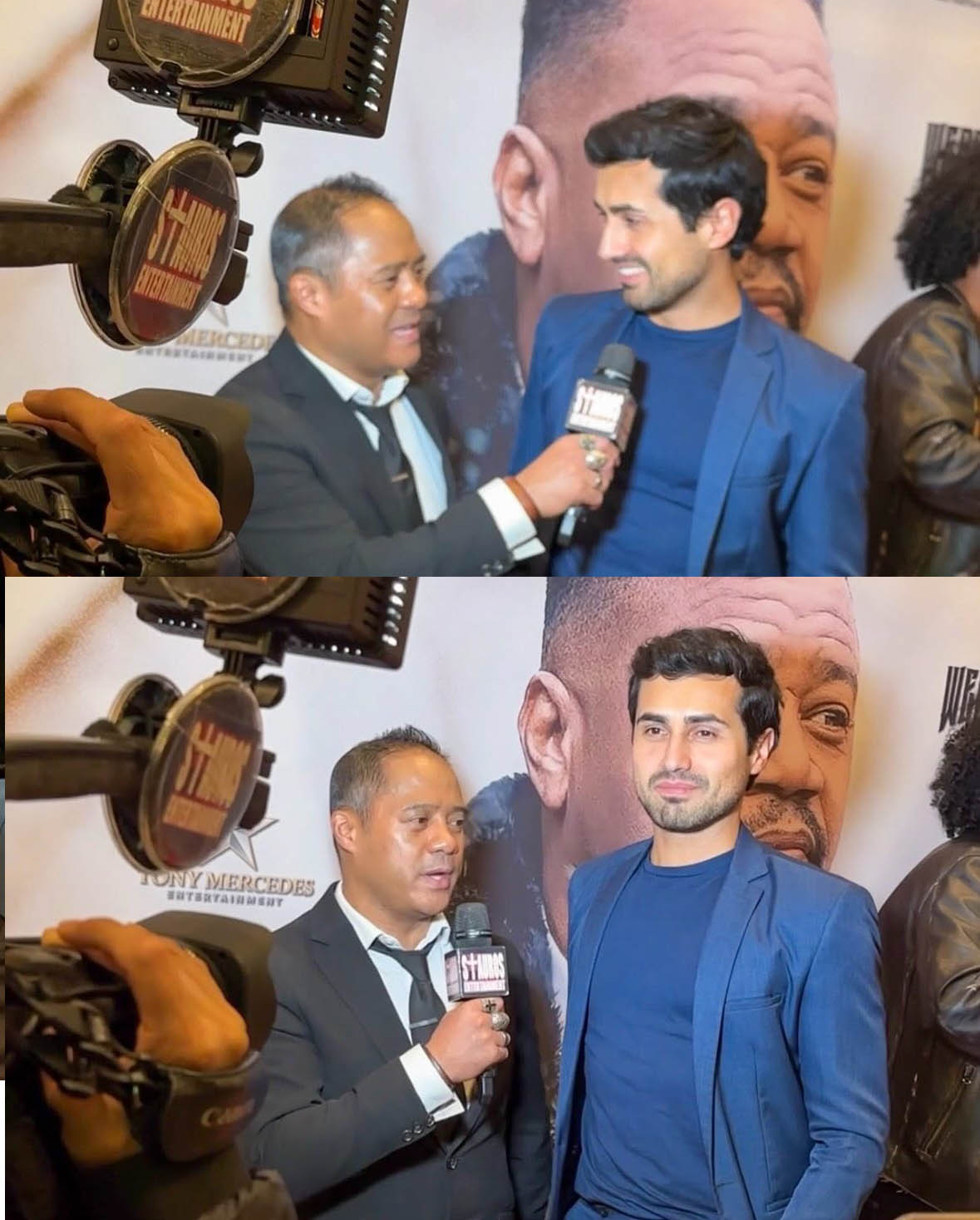
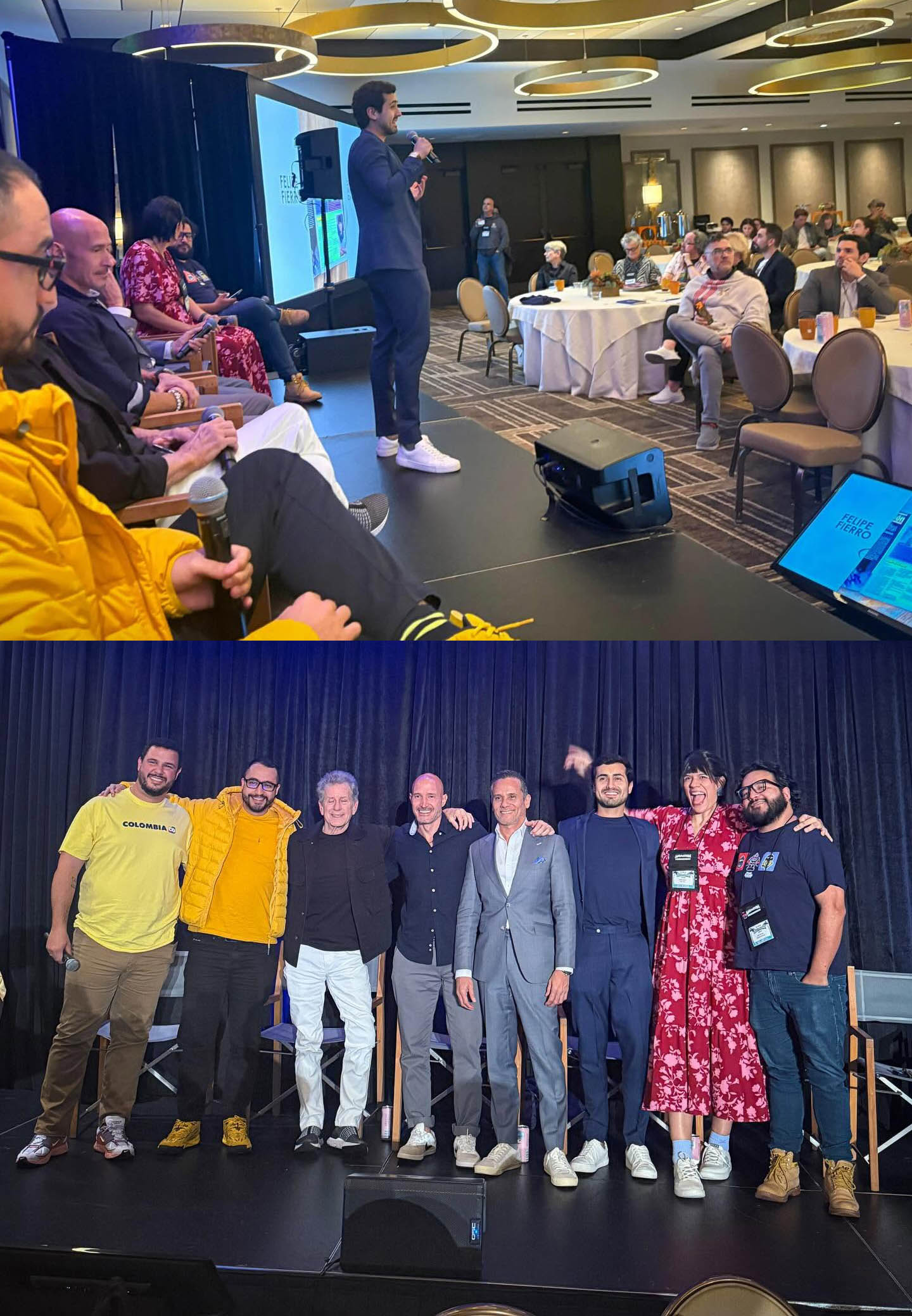
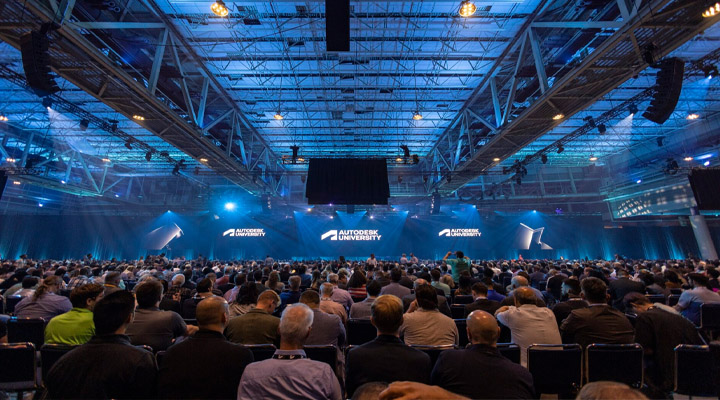
His participation adds to an international career that includes projects for renowned brands and franchises, as well as his work as Creative Director of Pigmalion Animation Studio® and his connection to the global Autodesk community.